






Lise wasn’t surprised when Britain introduced age verification for porn websites. “As people working in the sex space, you’re right on the margins of societal acceptability,” says Lise (not her real name, remaining anonymous to protect her business.) She owns and runs an independent platform and is used to navigating internet rules and obscenity laws that limit and shape the production of adult content.
Built over ten years, Lise’s small business making films that span sexualities and fuse sex and cinema, has gained a loyal community of performers and creative collaborators. They’ve weathered attempted changes, including bans on depictions of certain sexual acts, such as squirting, and initial proposals to introduce age checks in 2017. But new UK online safety rules mandated that all websites potentially containing adult content to confirm users’ ages from July, to avoid under-18s accessing digital smut and what the act deems “harmful” content for children. Platforms that don’t comply face hefty fines of up to £18 million, or 10% of their revenue.

Subscribe to our Coda Currents newsletter
Insights from the Coda newsroom on the global forces that shape local crises.
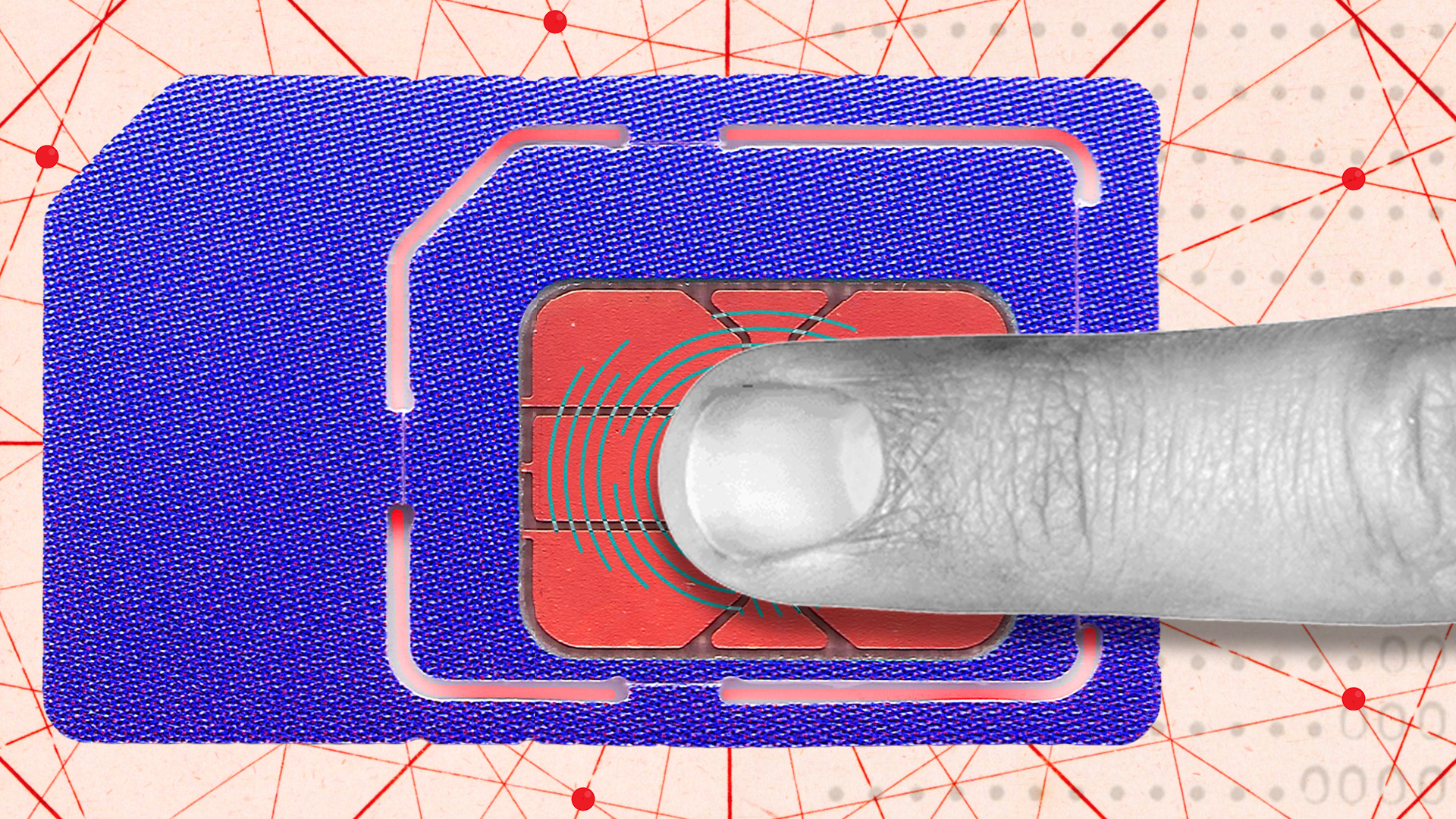
The UK has been at the vanguard of enforcing age verification policies, mandating that platforms check users’ ages through methods that include facial recognition software, government-issued IDs, and credit card information. The age verification checks are part of the broader implementation of the UK’s Online Safety Act, which Elon Musk’s platform X claimed was “overreach” that had the effect of “stifling open discourse and individual liberties worldwide.”
More recently, Musk accused the Australian government of creating “a backdoor way to control access to the Internet by all Australians,” as it announced its law banning social media for children under the age of 16. In the United States, where 25 states currently have age verification policies, Big Tech is arguing that the restrictions violate free speech principles and create privacy and surveillance concerns.
But, even as politicians characterize age verification rules as a means of, in the words of the Australian prime minister, “taking back power from the Big Tech companies,” it’s not only Silicon Valley giants that are affected. Much of the media coverage and public debate around ‘age-gating’ has taken little notice of small companies and independent producers that are scrambling to keep up with regulatory demands while losing customers and incomes.
“We’re not bad people, we just want to comply,” says Helena Whittingham, who represents porn producers across the UK, U.S., and Europe. With less reach, fewer resources and a smaller pool of punters to rely on for business, age ID has a disproportionate impact on independent platform owners and creators, she says. The costs feel particularly onerous. Platforms are free to choose their own age verification method, including photo ID, credit card checks or facial recognition. But many sites — unable to fund their own software — seek solutions from third parties that charge as much as £1 (about $1.3) per verification. For smaller platforms, this adds up, says Whittingham. “It really penalizes the indie porn houses… that want to do these things correctly.”
“The government,” says Lise, the independent producer, “really needs to answer for the fact that essentially what they’ve done is implemented an incredibly confusing and complicated, ineffective age verification service.”
Ofcom, the UK’s regulator for communications industries, says it has taken steps to assist service providers to comply, including publishing a “quick guide and a dedicated page which sets out what porn providers must do.” Currently, Ofcom adds, “we have opened formal investigations into 83 porn sites” that have been ignoring the rules. On December 4, the regulator announced that it was fining a single company running 18 adult websites “£1 million for not having robust age checks.”
Pornhub, the most visited porn site in the world, says its UK traffic has dropped by 77% since the age verification rules came into effect in July. Last month, in the U.S., Pornhub’s parent company Aylo sent letters to major tech companies, including Apple, Google and Microsoft, calling for age verification to be linked directly to devices. “We have found,” Aylo said, “site-based age assurance approaches to be fundamentally flawed and counterproductive.”
For smaller porn producers, age-gating is yet another financial and logistical strain on an already-pressurised environment, from bans on online advertising, a lack of mainstream payment processors facilitating adult sites, and tech platforms limiting sex-related content.
“We never get to work with best in class of anything, business partner-wise, and we never get to work with best value anything, because we’re not in a position to negotiate,” says Cindy Gallop, the founder of MakeLoveNotPorn (MLNP), a “social sex platform” where couples upload clips as an alternative to hardcore porn. Given its paywall, the site has always required age verification. Still, “it’s appalling” Gallop says of rules that don’t distinguish between platforms publishing consensual and ethical sexual content, and those publishing potentially exploitative material. “Everyone gets lumped in, everyone’s reduced to the lowest common denominator.”
Marcus Quillan, an independent filmmaker producing alternative porn under the name “Thousand Faces,” was already struggling to make his money back when he made all his public content non-explicit ahead of age verification. “Sales already didn’t break even, with how expensive it is to set up and run a website, let alone the cost of film production,” he says. “The cost of age verification would have made it even worse.”
Quillan posts his paid-for content on third-party platform PinkLabel, a “white label” site that hosts adult content for independent creators. This way, he can potentially drive more traffic, with the site fronting the costs and burden of age ID, he says.
Small creators and independent platforms that don’t go through large tech platforms may “disappear,” says Dr Carolina Are, a social media research fellow at Northumbria University’s Centre for Digital Citizens. “That’s a problem because a lot of the smaller, more ethical porn companies do a lot in terms of education and even representation, and creating trends that counteract the more harmful and kind of stereotypical tropes of porn.”
Evidence so far also indicates customers will go elsewhere or find ways to avoid producing their papers. As traffic to porn sites declined alongside the implementation of age checks, VPN usage shot up, according to Ofcom’s annual Online Nation report, published on December 10.
Viewers have also reported easily bypassing age checks with new email addresses and even video game characters. Despite its positive intent, the law is not “fit for purpose,” says Are. It promotes “unaccountable and not necessarily effective [systems] that are dangerous for privacy and freedom of speech.”The law is also affecting other corners of the adult industry, she adds. Websites used by sex workers to advertise their services anonymously also now require ID checks, potentially driving them into offline — often more risky — spaces.
The inclusion of any platform that could host adult content in the rules also means mainstream social media sites and dating apps now have age gates. Users have flagged that pages that aren’t pornographic at all are now restricted, such as subreddits about war crimes, quitting smoking and sexual assault. In Australia, which became the first country to ban under-16s from social media altogether in December, campaigners have warned that the rules prevent young people from seeing sexuality and gender content that is educational and disconnects them from wider local and global conversations.
Abhilash Nair, an internet law and pornography regulation expert, says the UK’s age verification should not jeopardize children’s rights. “We’ve got to make sure age assurance doesn’t restrict children from accessing content they have a right to access,” he says. “That includes sex education, health and relationships education.” But, he maintains, legislation is needed to keep children away from porn.
Related Articles



For now, those on the frontlines of sexual expression say the collateral damage done by age verification is significant. Lise, the independent UK porn producer says we “are at an exponential rate losing these independent niche sites, queer content, fetish content — stuff that’s less likely to be mainstream.” As the authorities crack down on sites failing to comply with complex, fast-changing regulations, she argues, “our depictions of sexuality are becoming increasingly minimized, limiting and homogeneous in a way that does a real disservice to the breadth of sexuality.”
But a spokesperson for the U.K.’s Department for Science, Innovation and Technology said: “Claims of widespread censorship are wrong and misleading. This is about creating a safer internet — not censoring it — where children can explore, learn and connect without fear of what’s behind the next swipe. The Online Safety Act’s focus is, and will always be, on protecting children from the most harmful content such as pornography —requiring proportionate, privacy-safe age checks, while also ensuring robust protections for free speech.”
As countries like the UK and Australia lead the way on age limits, such questions are largely ignored. Instead, what might prevent governments seeking to regulate technology or cause them to rethink is the increasingly aggressive posture of a White House that opposes such regulation. Donald Trump has signed an executive order to stop individual states seeking to regulate AI and set up a federal task force “whose sole responsibility shall be to challenge State AI laws.” This month, the U.S. has also told the UK government it would not be immediately implementing the $40 billion “Technology Prosperity Deal” agreed during Trump’s visit in September. Among the stumbling blocks was the “frustration” expressed by American officials with Britain’s online safety rules.