




At the heart of the alibi machine are real people — government officials, media executives, reporters and bloggers.
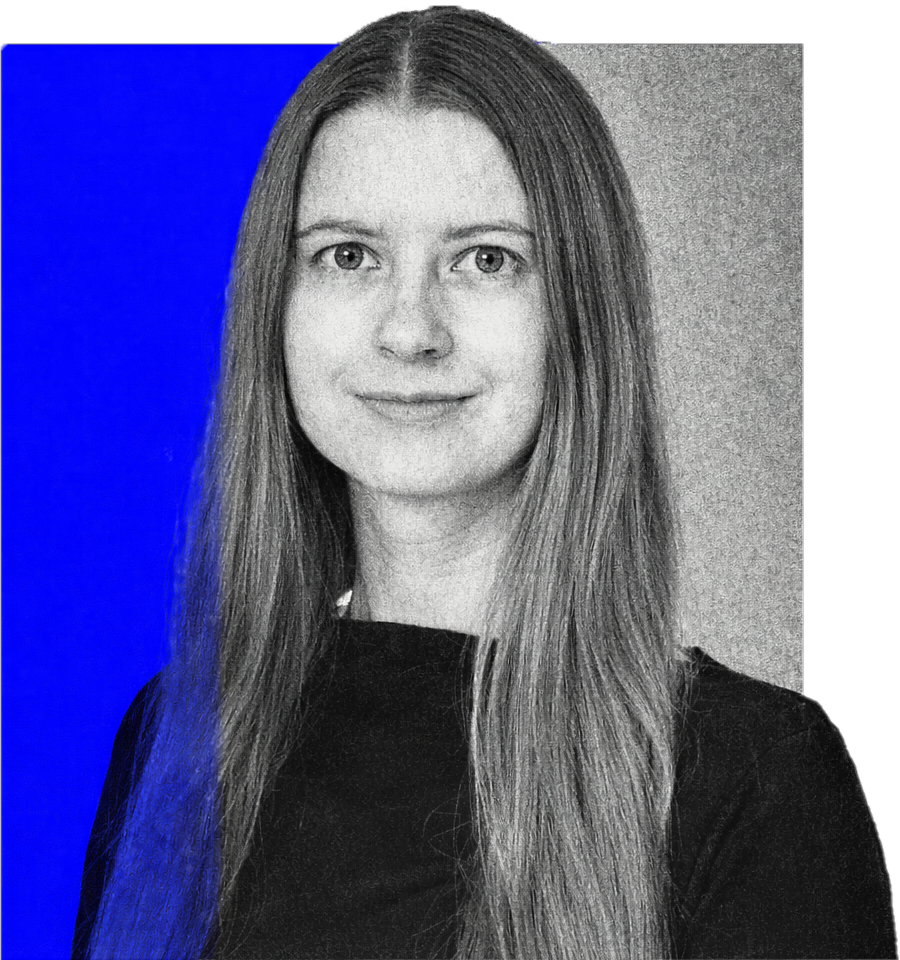
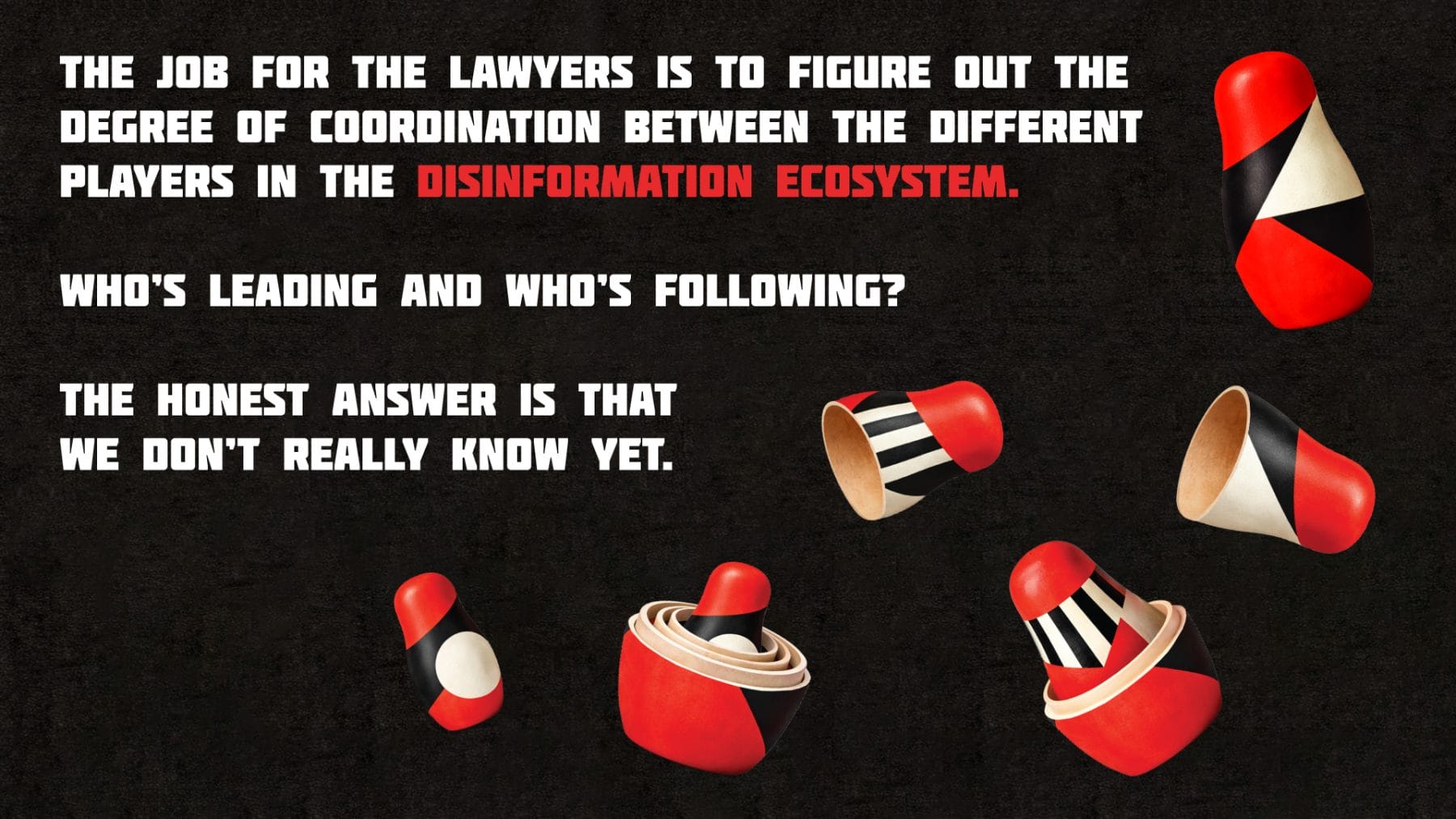
“Understanding the system depends in part on knowing who participates in it. So firstly, we have to identify a hierarchical network involved in a particular information operation. This may include senior political leaders, media organizations, and social media influencers… We have to prove that there were some orders or instructions that were given by more senior groups to less senior groups.”
Nadiia Vaskivska,
Legal Advisor at Global Rights Compliance
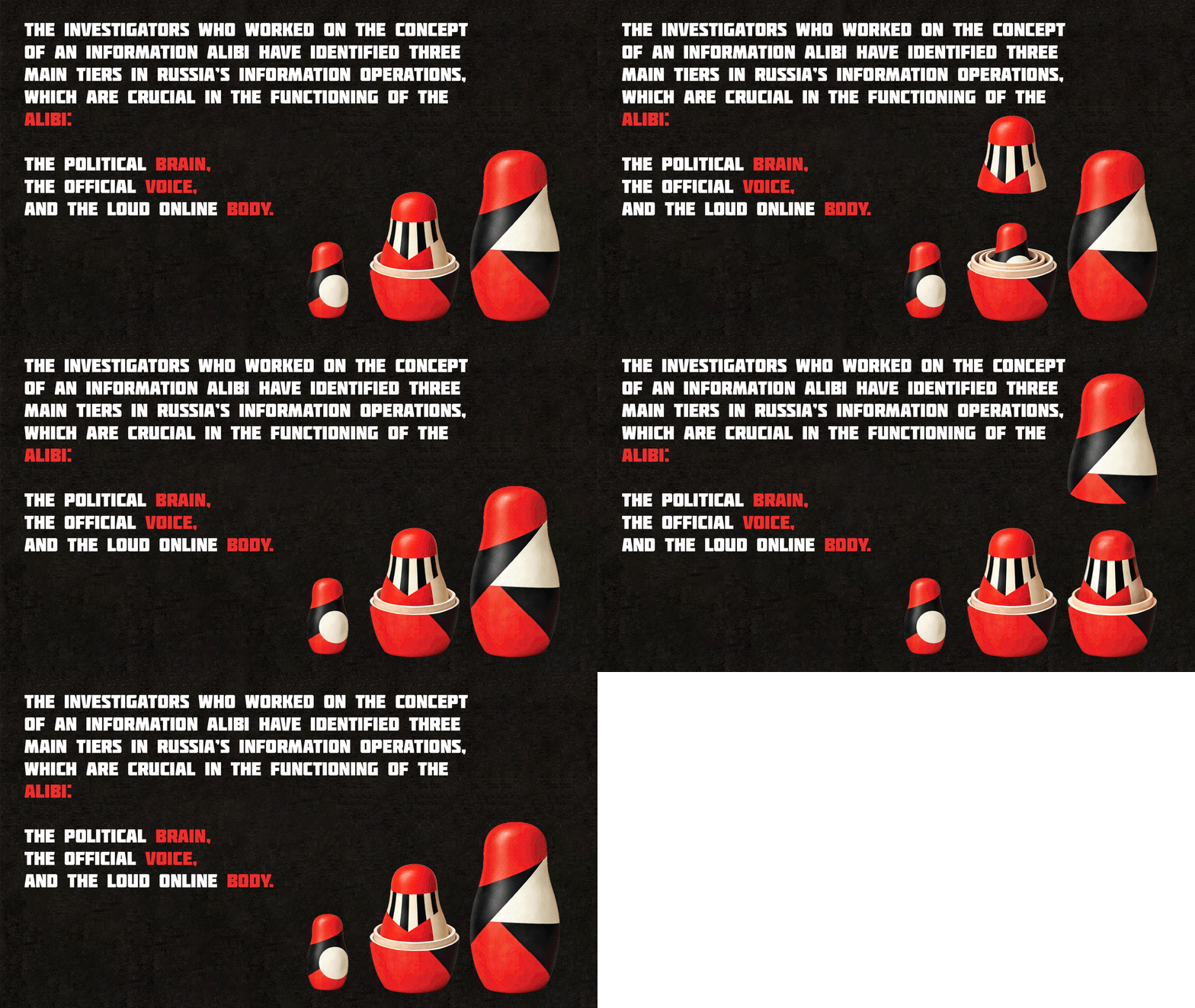
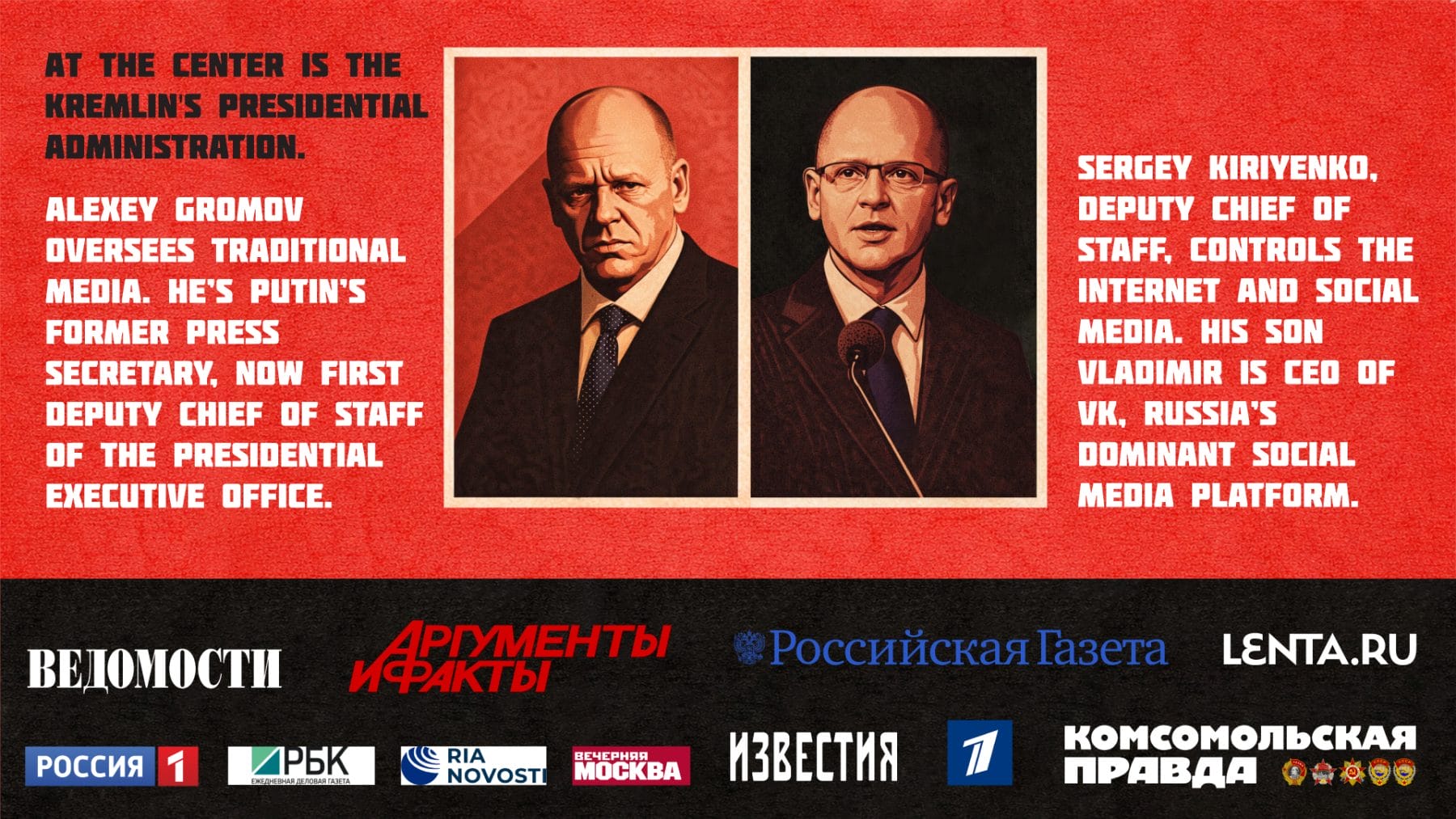
They distribute the talking points — called “temniki” — directly to editors-in-chief of Russia’s biggest state media outlets: TASS, Channel One, Rossiya, RIA Novosti.
We asked Alexey Kovalev — a Russian journalist in exile who once worked inside one of those outlets — to describe how it functions.
“The presidential administration intervenes with specific instructions. It has a kill switch that can immediately blacklist any coverage in Kremlin-controlled media of any unwanted, undesirable topics, like protests, for example. The presidential administration is like the central nervous system of the beast.”
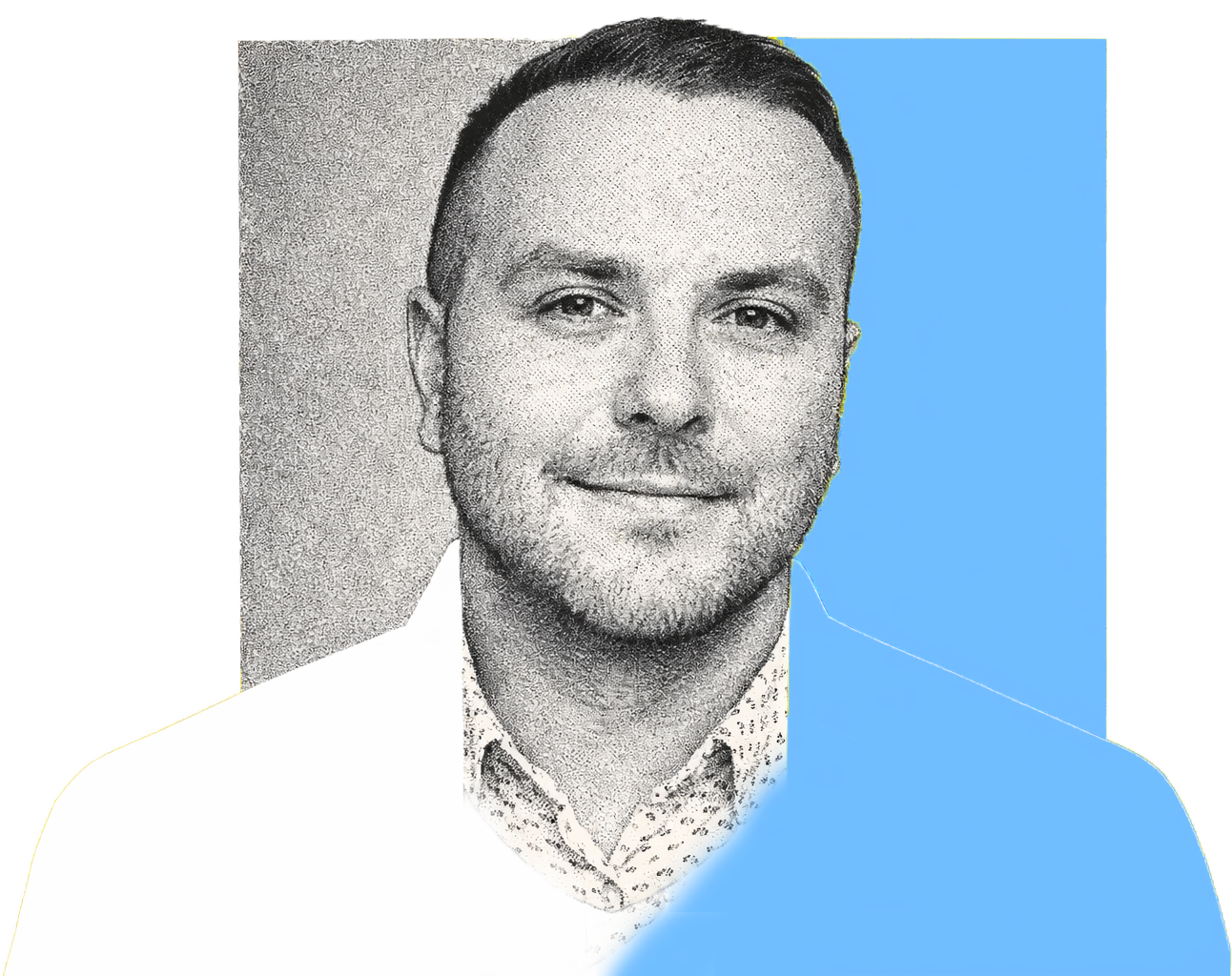
Alexey Kovalev
The Kremlin ‘brain’ doesn’t only issue orders. It also enforces silence. Russia’s official censorship body, Roskomnadzor, can red-flag content and suspend licences. The effect, Kovalev says, is a system that rarely needs to give explicit instructions because everyone already knows the rules.
“You should instinctively know what things to cover, what things not to cover, and from which angle. Do what you think is expected of you.”
Alexey Kovalev

These are the people whose job it is to take Kremlin narratives and project them onto the world stage. As well as Sergei Shoigu, Minister of Defense, and Foreign Minister Sergey Lavrov, several names crop up regularly in the information alibis we’ve looked at:
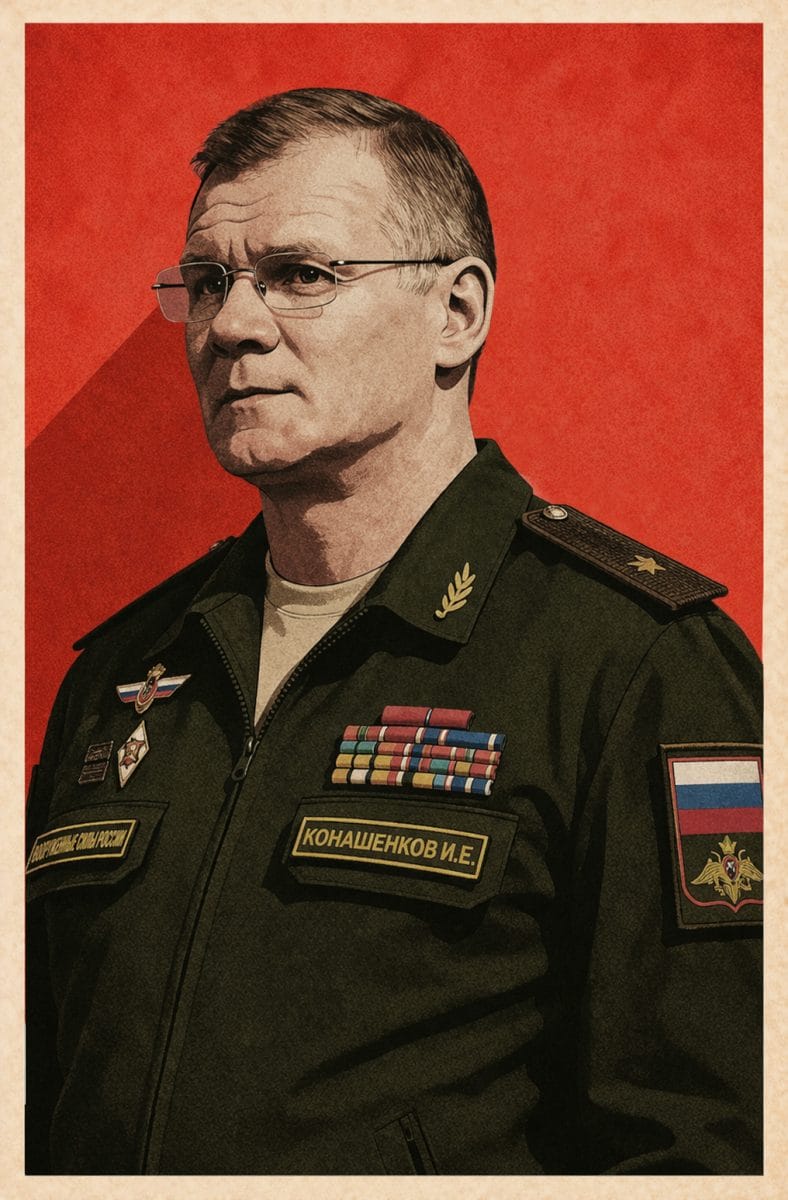
Igor Konashenkov, spokesman for the Russian Ministry of Defense — the military’s public voice, whose briefings provide official cover for Russian military actions.
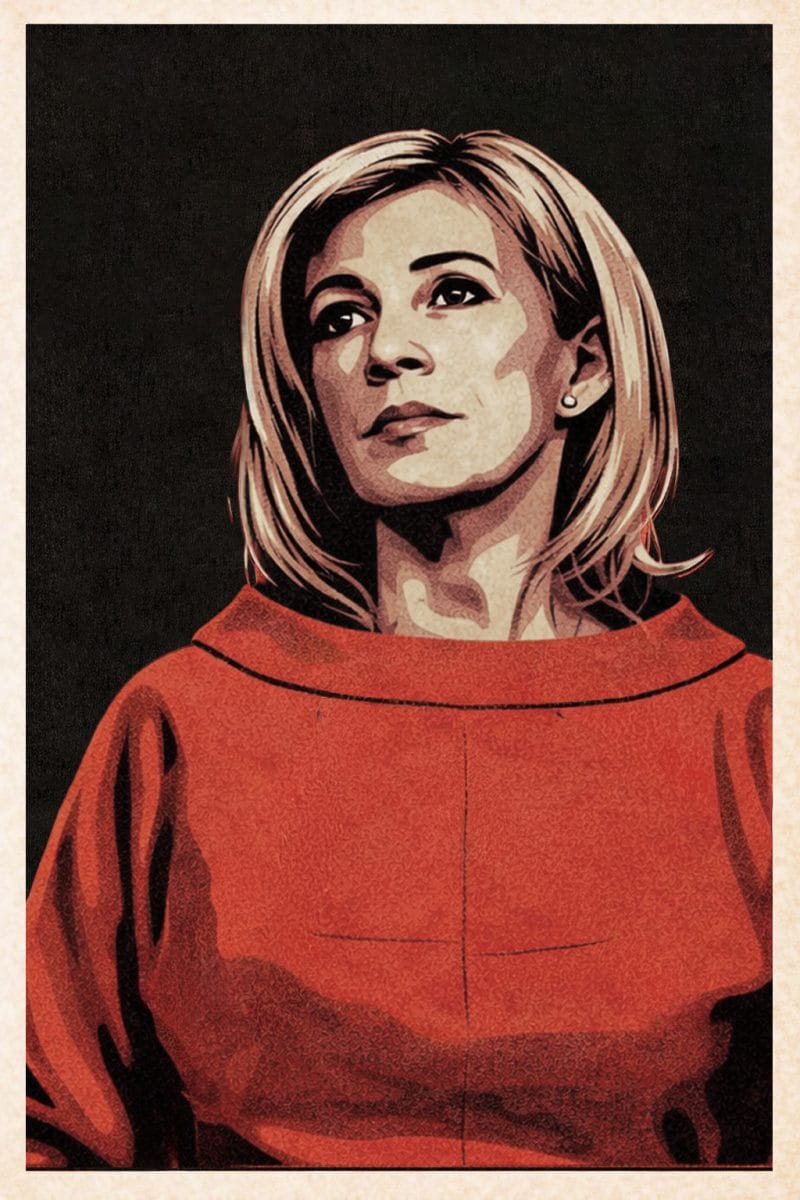
Maria Zakharova, Russian Foreign Ministry spokesperson, who amplifies narratives across international media from behind her podium.
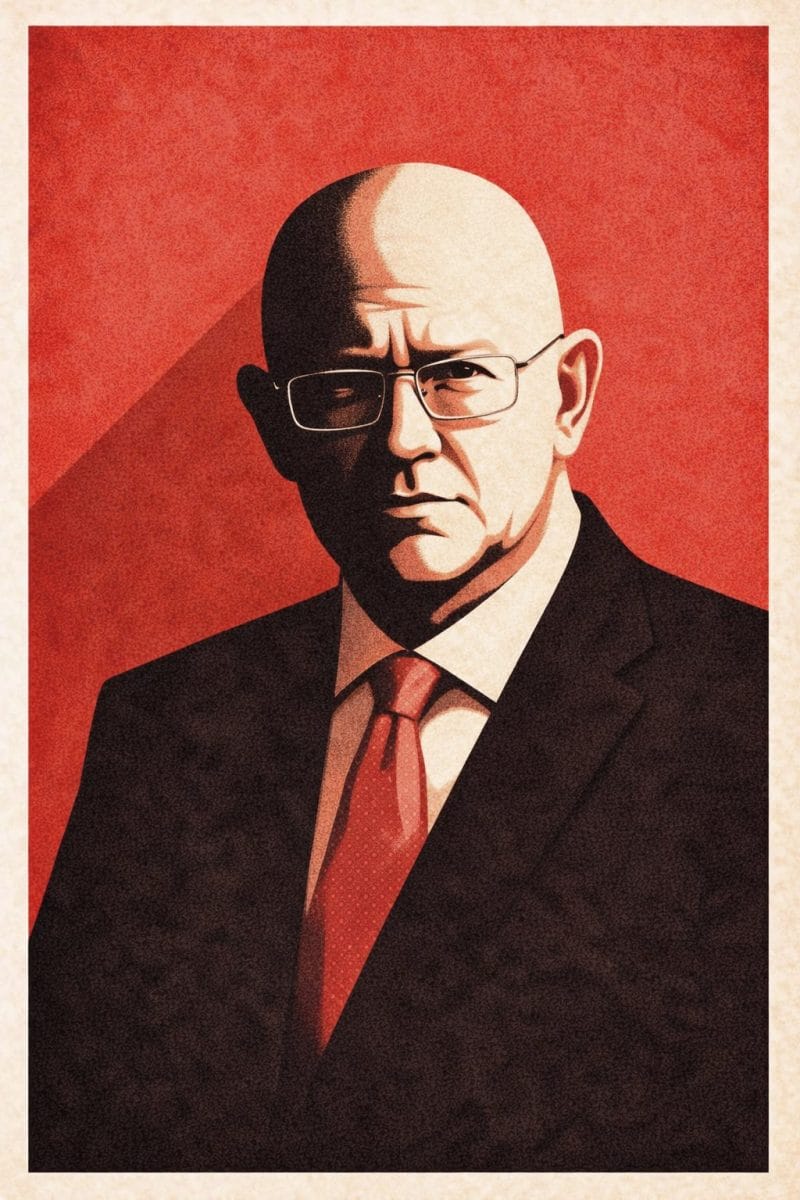
Vasily Nebenzia, Russia’s Ambassador to the United Nations, who takes the alibi to the Security Council, where it can be delivered with diplomatic immunity and broadcast live to the world.
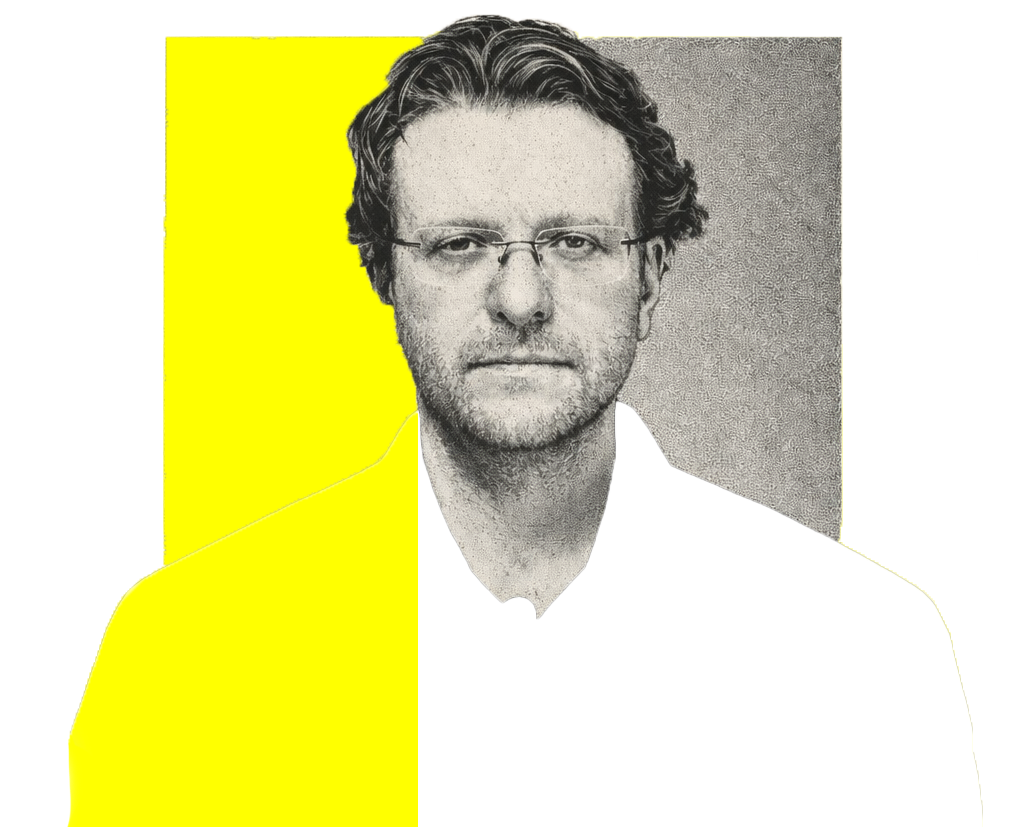
“The Russian mission to the UN plays a very central role in this ecosystem. It picks up and amplifies disinformation that has been seeded in more esoteric parts of the internet and gives it a global platform.”
Peter Pomerantsev
The words of these officials have the full weight of the state behind them. And that helps achieve one of the key goals of the information alibi.
“The Russian use of info alibis has to be seen in their general kind of strategy of ultimately avoiding responsibility and giving their allies enough “implausible” deniability about what the Russians are up to… It gives allies at the UN, for example, a way to go ‘well, we just don’t know what happened, maybe this was an accident, maybe the Ukrainians bombed themselves.’”
Peter Pomerantsev
The Reckoning Project Co-Founder

This includes organizations that look independent, but which are actually funded by and have direct links to the Russian state.
ANO Dialog and the Social Design Agency — both now sanctioned by the U.S., UK and EU — are the engine room of this layer.
ANO Dialog — reportedly directly linked to Sergey Kiriyenko and the Presidential administration — distributes billions of rubles in grants to social media creators. Its network of social media channels started spreading fakes about Ukraine from the start of the invasion. One of the examples — a pseudo fact-checking Telegram channel War on Fakes, with over 400k subscribers.
“It’s a way to ensure that every content creator is hooked on the government money… The ‘don’t bite the hand that feeds you’ mentality.”
Alexey Kovalev
The Social Design Agency (SDA) operates differently — it focuses on creating and spreading Russian disinformation abroad.
“The Social Design Agency is industrialized disinformation, and it can be terrifyingly effective because explicitly pro-Kremlin narratives created by the SDA were shared by people like Elon Musk and Marjorie Taylor Greene. The stuff that they’re creating is really bleeding into mainstream Western discourse.”
Alexey Kovalev
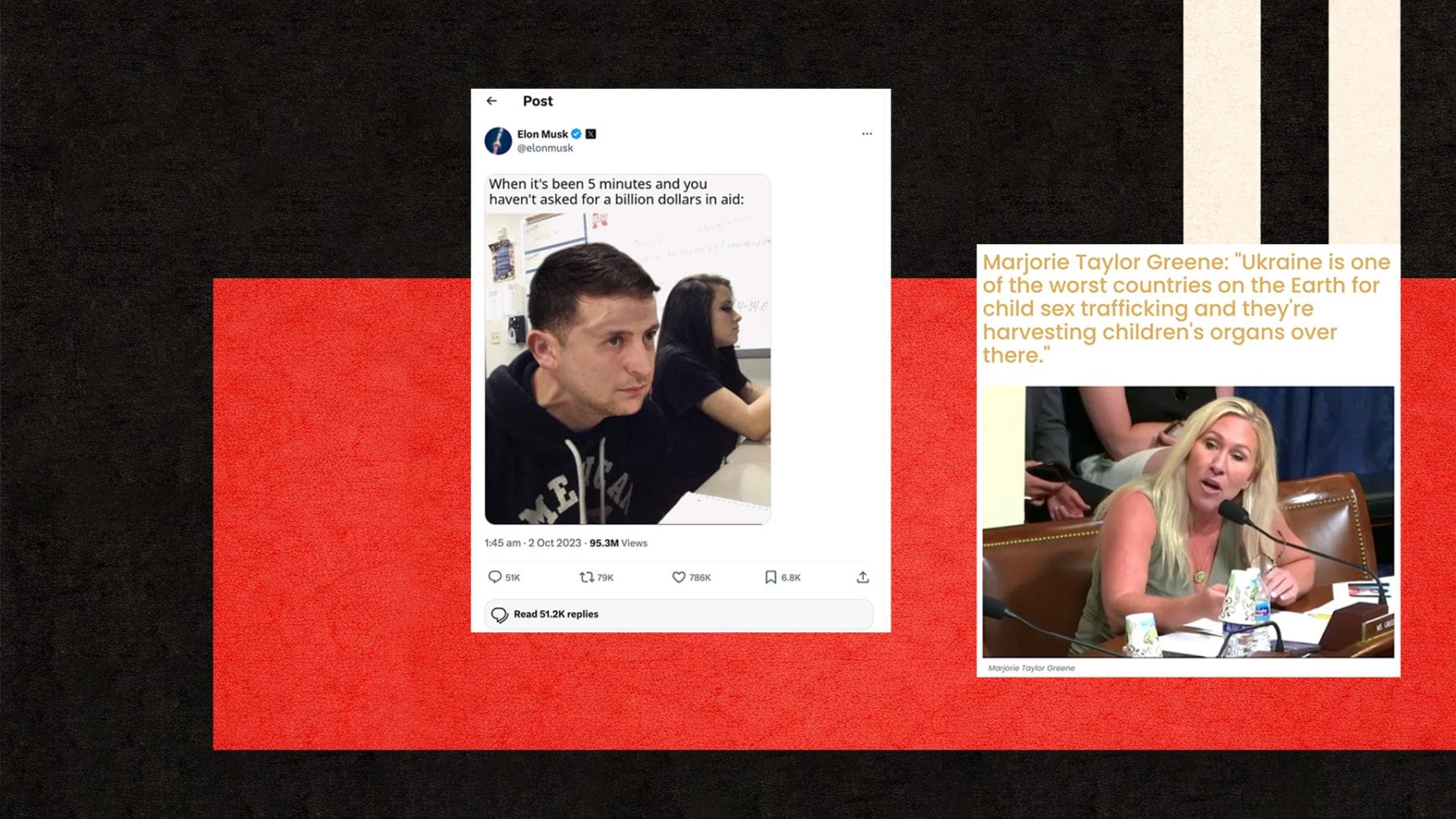
Prominent MAGA voice and noted conspiracy theorist Marjorie Taylor Greene also repeated SDA narratives, including about child abductions and organ harvesting in Ukraine.
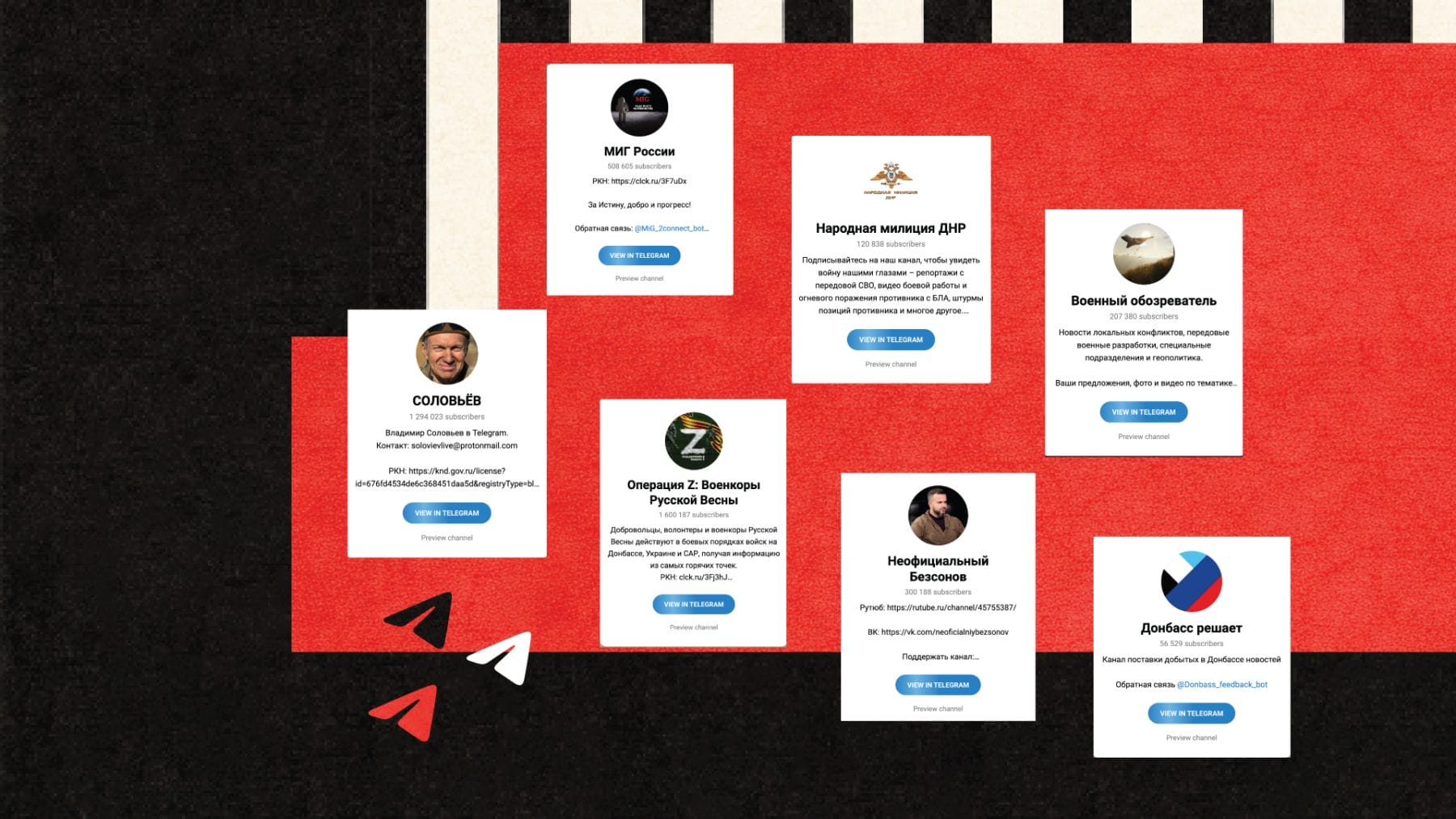
Beyond the funded networks lies the wild west of the information ecosystem: Telegram channels run by so-called “voyenkory” — “war correspondents” — and “Z-bloggers” — activists and war supporters with an estimated audience of approximately 10 million.
They share each other’s content, amplify each other’s narratives, and give the impression of a spontaneous, grassroots consensus.
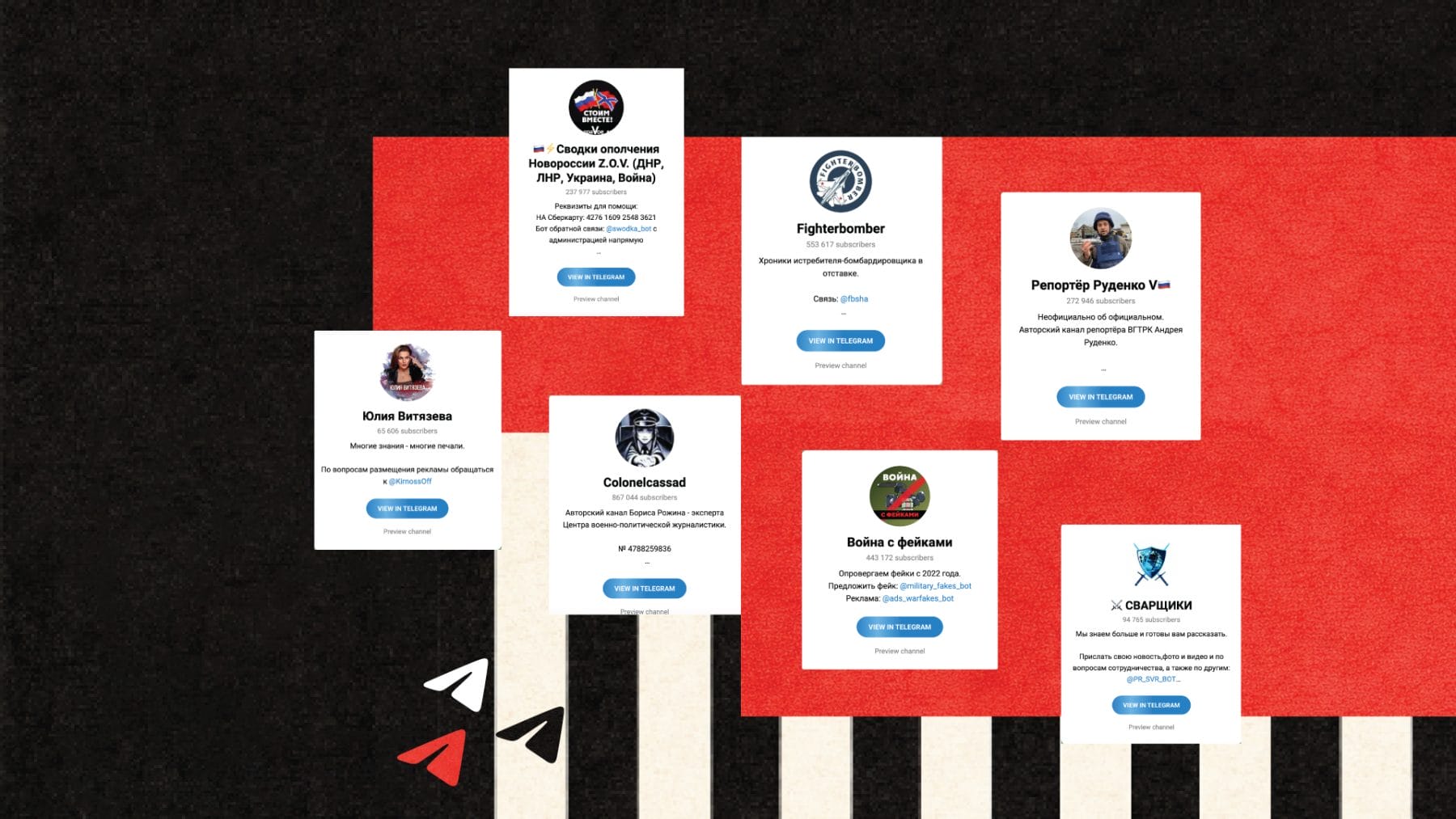
Their “disposable” nature is also what makes them so difficult to pin down and prosecute.
Let’s take the Mariupol hospital attack as an example.
It appears that bloggers and Telegram channels were the first to point to maternity wards being used as firing positions.
A week before the attack, DPR People’s Militia channels were claiming that maternity wards were being used as firing positions. Pro-war Telegram channels amplified it within hours.
It was after that, that official spokespeople reinforced the message:
- Igor Konashenkov, Defense Ministry spokesman, accused the Ukrainian army of turning hospitals into firing positions.
- Vasily Nebenzia, UN Ambassador told the Security Council that Ukrainian forces had placed a firing position in a Mariupol maternity ward before the attack, and reminded them of his warning two days after the attack.
- Maria Zakharova, Foreign Ministry spokesperson — remember the briefing she gave just four hours before the bombs fell on the maternity ward?
And then, almost before the dust had settled, the bloggers and Telegram channels echoed the narrative the spokespeople had told the world.
So, as far as who’s leading who, Vasily Gatov, former Russian media strategist and disinformation researcher, thinks it’s a two-way street. Some indications come from the Kremlin, other initiatives are launched from the bottom.
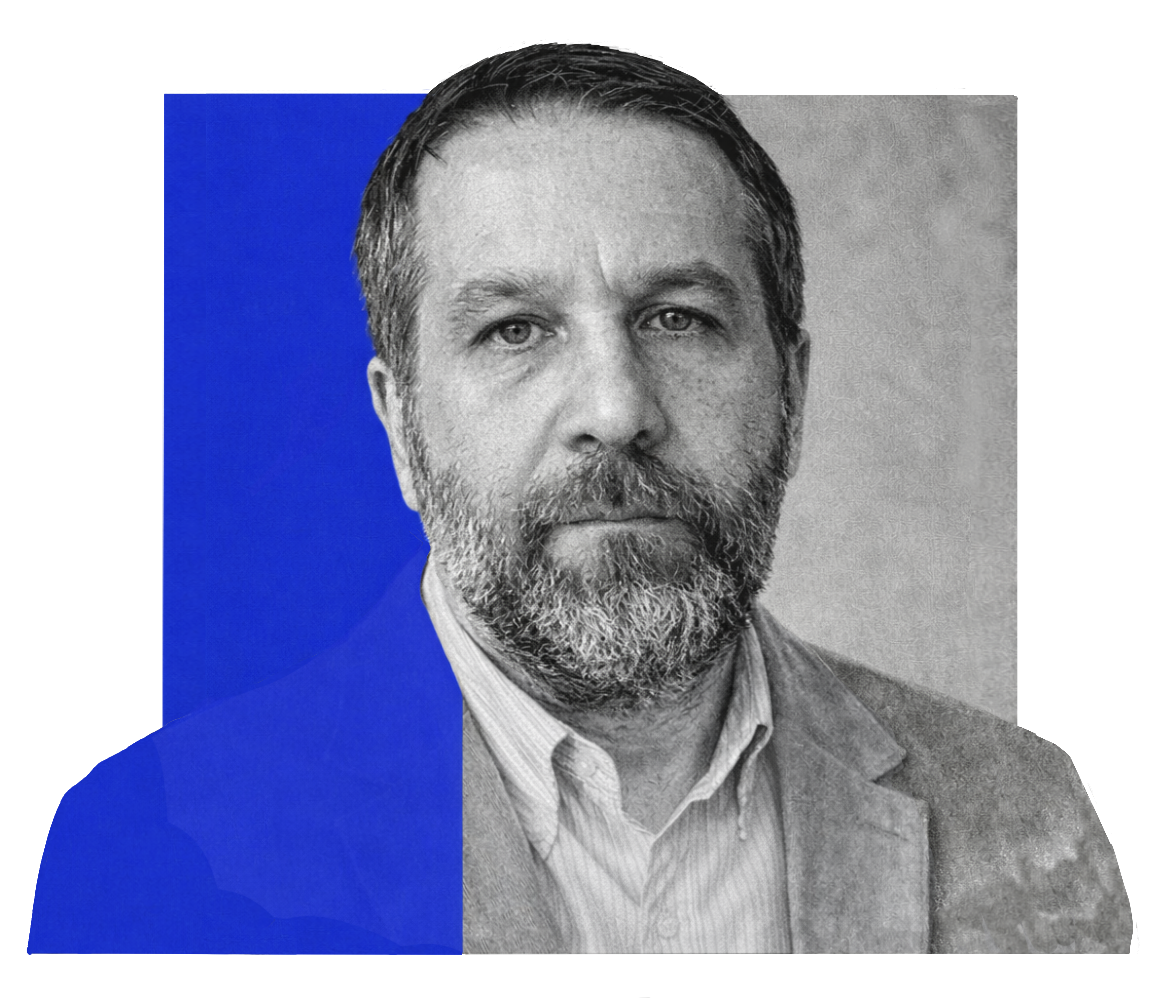
“My opinion is that most of these information operations are created in small groups, mostly people with very limited knowledge of psychology and especially media effects. Some are military, maybe military intelligence. Some are journalists, war journalists. And most of them are people who make their living from telling the Kremlin they’re doing a great job.”
Vasily Gatov
Alexey Kovalev agrees that, in his experience as a journalist, there are rarely detailed instructions flowing from the top. Each individual is expected to use their own judgment, as long as it’s favorable to the Kremlin.
“It’s a way of controlling by omission that you should not say under any circumstances, and that is anything that is not on the Russian defense ministry’s website. Steer clear from any Ukrainian perspective. It doesn’t matter. Ukrainians don’t have agency. Flood the zone with shit, with a million conflicting narratives. It doesn’t really matter that they don’t make any sense or it falls apart at the slightest scrutiny. Seeds of doubt have been sowed.”
Alexey Kovalev
“We can tell when an info alibi is peaking. We can look at the online patterns and see how it’s spiked. We can see so many telltale signs that this is not organic activity, but part of a planned operation. The technology is a double-edged sword and I think this war is going to be a game changer globally for holding propagandists accountable.”
Peter Pomerantsev
The Reckoning Project Co-Founder