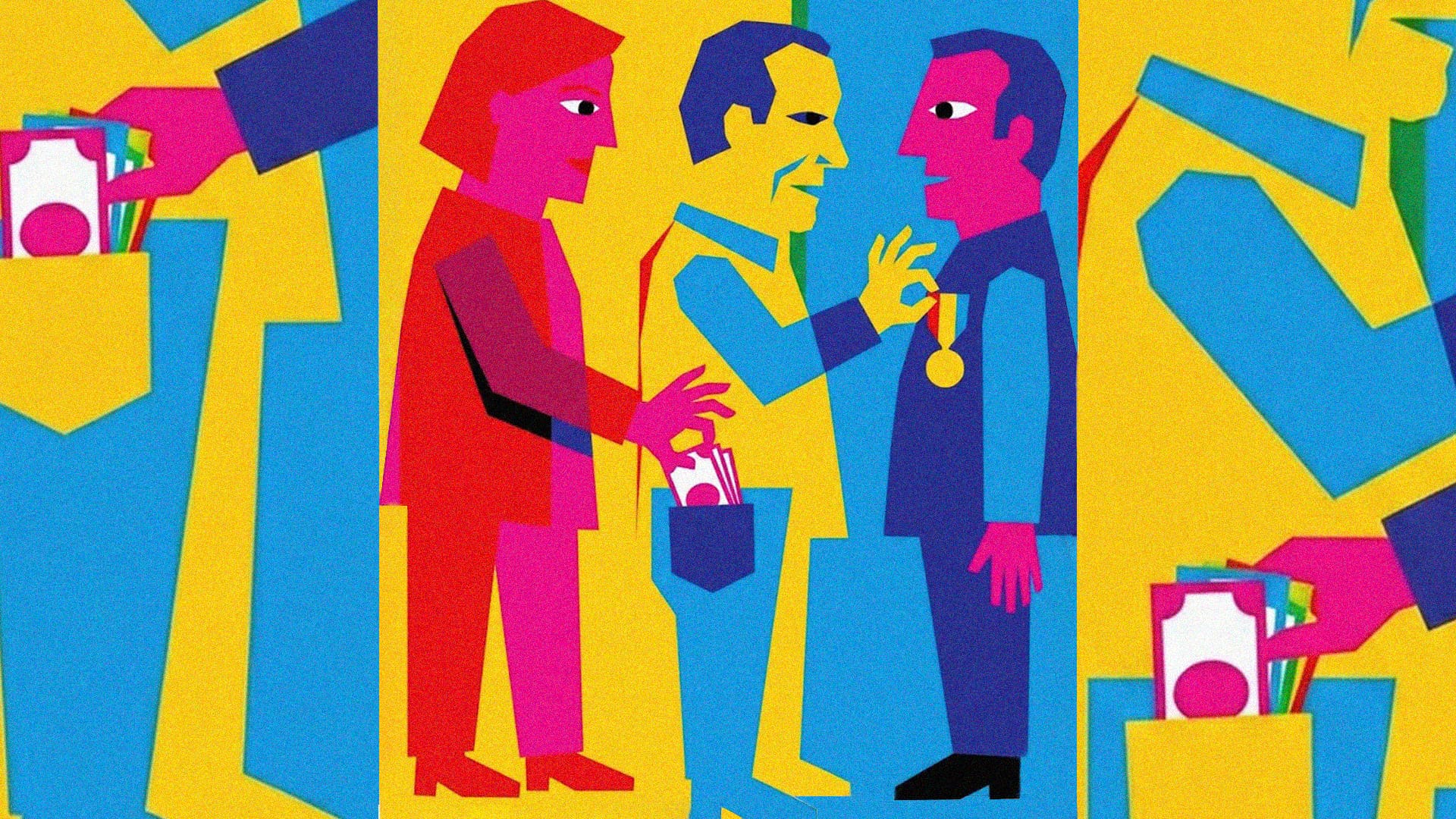





One difficulty in writing about corruption is explaining what it is. You’re either too specific — “it’s taking bribes”. Or too vague — “it’s being bad”. Another difficulty is obtaining the raw material to analyse: corrupt people don’t tend to speak openly about it, which means you’re left looking at corruption’s visible manifestations, which is like trying to understand a virus only from its spots.
So huge kudos to Earth League International for producing a detailed, specific and thoughtful report on how corruption facilitates wildlife crime globally, which is packed full of lessons for the study of corruption in general as well. Corruption is a system, everything is connected. It’s the water in which criminals swim, and it will drown the rest of us if we let it.

Subscribe to our Coda Currents newsletter
Insights from the Coda newsroom on the global forces that shape local crises.
Earth League International embeds investigators in corrupt networks all over the world, and reveals how it is so much more than just the “abuse of entrusted power for private gain” and their report quotes multiple specific examples. The choice for an official standing in the way of a Transnational Criminal Organisation (TCO) is not between taking a bribe and being honest, it’s between taking a bribe and having a family member killed.
“Corruption tilts the playing field of justice by turning some officials or even agencies into additional arms of criminal networks, akin to painting a group of white chess pieces red and then commencing a match, giving the criminal side a decided advantage”, notes the report. And, it adds, “Transnational Criminal Organisations are savvy about which officials they approach, assessing weaknesses such as debt or family ties that may make them more vulnerable to financial offers or threats.”
It estimates the value of global wildlife-related crime at over $1 trillion annually, which is an astonishing amount of money, but an important point to take is that this is not a separate form of corruption. The same border officials that wave through illegal shipments of timber or shark fins also help with other forms of smuggling. The money that criminals funnel into politics undermines democracy in all ways. “Corruption is not the sole purview of less wealthy nations. It is everywhere. During investigations into illegal wildlife trafficking for (traditional Chinese medicine) in Europe, for example, Earth League International found enablers in San Marino, Italy, Belgium, and Poland,” notes the report.
There is something grimly ironic that so much of the despoliation that is making things worse for everyone is driven by the trade in “medicine” and thus a desire to make the world better. In reality, of course, pangolin scales and totoaba swim bladders are no more medicinal than my toenail clippings. Perhaps the ultimate expression of this is the demand for hallucinogenic toad venom, as detailed in this excellent article from a few years ago, which supposedly helps us all access the inner divine, but which is meanwhile wiping out the unfortunate toads that secrete it. “Most harvesters don’t have a consciousness about the sacredness of the species”, said a toad practitioner. “It’s just a hustle business.”
On a more geopolitical and less psychedelic level, this report on how Russia is repurposing its influence networks in Europe so as to maintain its fossil fuel exports show that other forms of corruption have huge environmental impact of their own. “The time for polite half-measures is over. Stronger enforcement, embargoes and tariffs on Russian fossil fuels to cripple exports, personal sanctions, and transparency rules are the only way to dismantle Russia’s covert influence architecture,” it concludes.
I’d add to that: we all need to build renewable energy sources like there’s a war on, because there is, and democracies urgently need to gain the freedom to act independently of autocracies’ control of fossil fuel supplies. You can’t act freely if someone’s hands are around your neck.
So, what’s the answer? As so often with financial crime, it’s possible to be overawed by the scale of the challenge. But the important thing is just to start. Here’s a manifesto from a coalition of British environmental groups, which gives some ideas. I particularly approve of this one: “government should introduce comprehensive protections and safeguards for whistleblowers, followed by financial incentives, to enable whistleblowers to disclose evidence of corruption and money laundering”.
Of course, corrupt officials are not just standing still while we agonise about how to stop them. I am particularly alarmed by the potential appeal of modern prediction markets for allowing politicians, military officers or anyone to profit from their privileged access to advance knowledge of government actions. Here’s a remarkable story about how people betting on the specific details of the Iran War sent death threats to a Times of Israel journalist whose reporting threatened to lose them a wager.
U.S. lawmakers have introduced a bill, the BETS OFF Act, for which acronym they deserve credit — to crack down on the markets that encourage this kind of behaviour, which was also observed in the hours leading up to the U.S. attack on Venezuela. “There’s no getting around the fact that any prediction market where somebody knows or controls the outcome of a bet is ripe for corruption,” said Senator Chris Murphy of Connecticut. “When events that involve good and evil, life and death become just another financial product, morality no longer matters and the soul of America is fundamentally corrupted.”
Related Articles

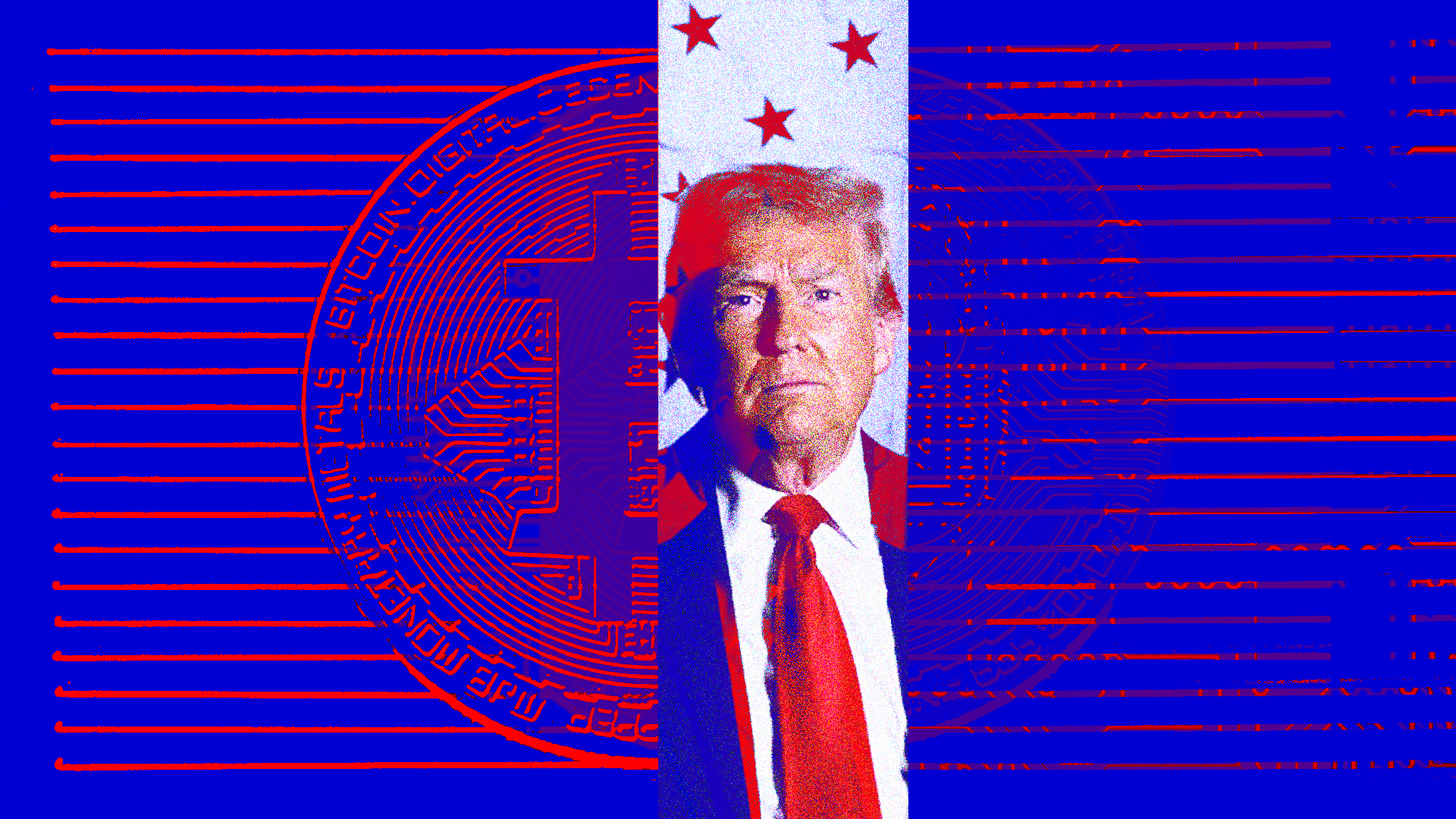
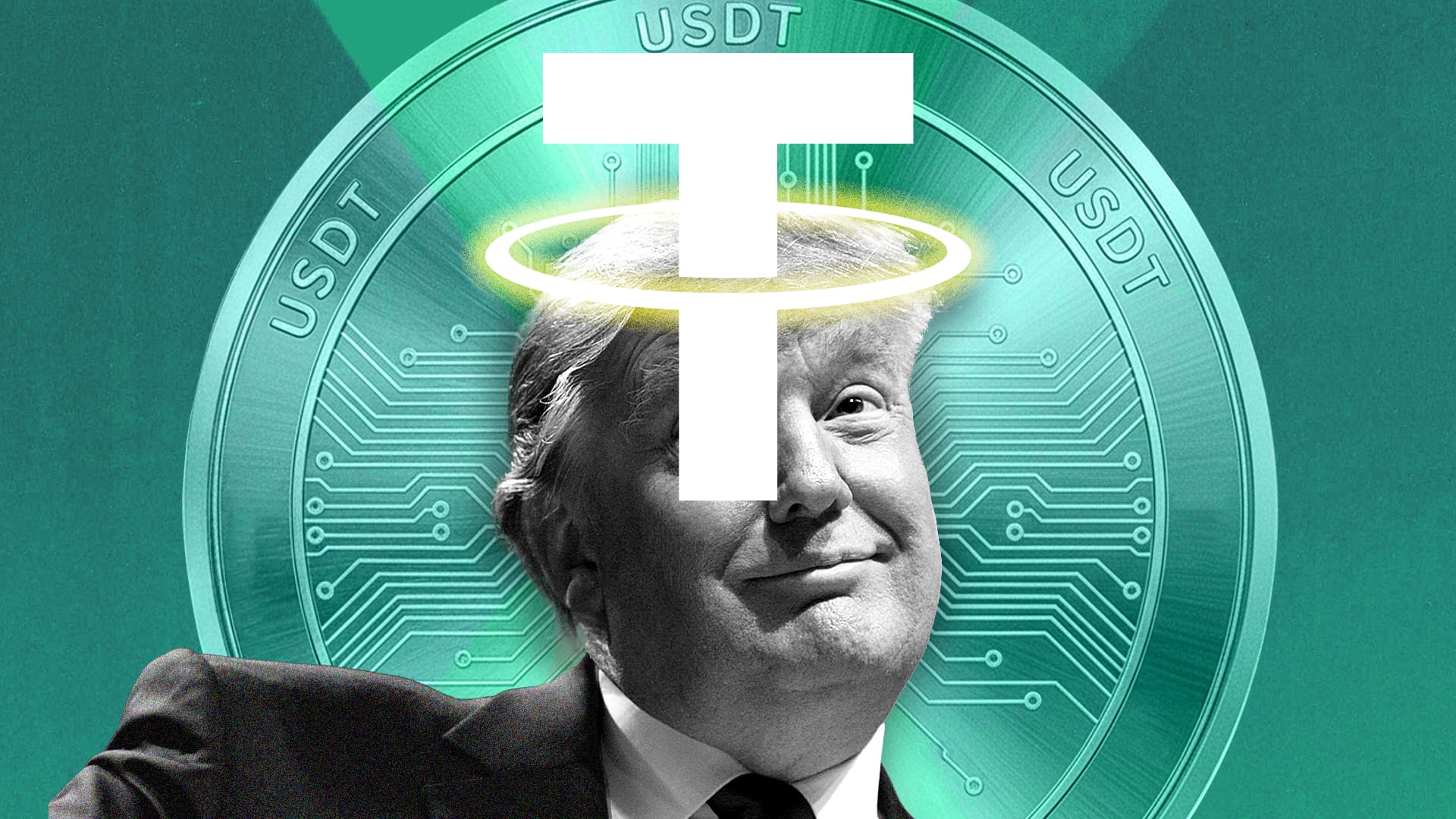
On that note, I see that someone is trying to juice the price of the $TRUMP memecoin by inviting its biggest holders to dinner at Mar-a-Lago, apparently with a speech by President Donald Trump (or whoever that is in the decidedly weird picture accompanying the announcement — Nigel Farage in a blond wig?), and an exclusive audience for the 29 biggest holders. The president, should he attend, will not, however, be accepting gifts, which is a weight off my mind. I had been worrying that this whole event was a bit dodgy.
The announcement of the event did boost the price of the $TRUMP tokens, as presumably did the announcement that Tether head Paolo Ardoino would be the headlining speaker, a remarkable turnaround for someone whose company was, just 18 months ago, having to vehemently deny it was the subject of a Department of Justice probe. Whether corruption will continue to be seriously investigated and punished, in a newly transactional world order, remains to be seen. The signs, though, are not promising.
A version of this story was published in this week’s Oligarchy newsletter. Sign up here.