







Can Britain clean up its overseas tax paradises?

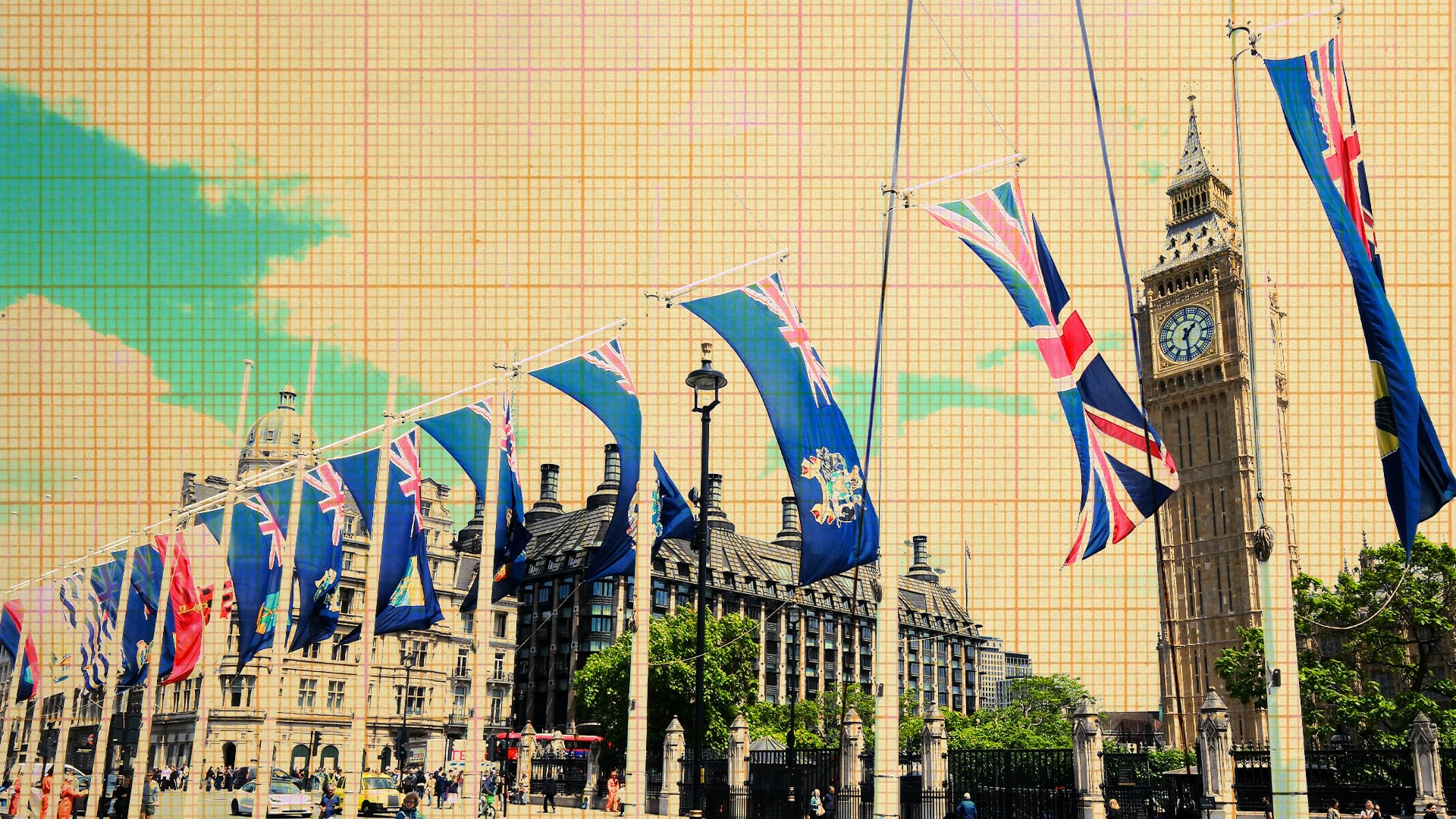
A century ago, British statesmen discussed creating a mighty Imperial Parliament, in which every part of their globe-bestriding empire would have representatives in London. That never happened and instead we have the significantly-less-glorious Joint Ministerial Council, in which leaders of the various British territories too small, too strategic or too volcanic to have yet become independent come to the UK and discuss things.
The British constitution is a ramshackle thing, bashed together over the centuries, and technically the government in London could just tell these Overseas Territories (OTs) what to do. But it prefers to be democratic about it, so the JMC is what we have instead. It matters because several of these OTs have long been among the world’s most egregious tax/secrecy havens – the Cayman Islands, the British Virgin Islands, and Bermuda were the top three in 2024’s Corporate Tax Haven Index – and it would be nice if they stopped.
Back in 2018, two backbench MPs persuaded parliament to pass a law forcing the OTs to open up their corporate registries, so as to stop them selling shell companies to the world’s financial villains, but progress has since been slow.
“If any Overseas Territory continues to defy the will of the U.K. Parliament, the Government should be prepared to escalate its response. All legal and constitutional options should be on the table to ensure these commitments are delivered in full and without further delay,” said Transparency International last month.
Not all the OTs are being defiant – Saint Helena is doing great, as are the Falkland Islands — but most of them are not havens for shell companies so they’re not relevant. The one that matters most is the British Virgin Islands, and it is not knuckling down at all. To access the BVI’s register, you need a “legitimate interest”, and the owner of the company you’re looking at will be tipped off and be allowed to object.
“This mechanism could expose journalists or civil society organisations to physical or legal intimidation by those looking to hide their identity. It also provides the opportunity for those being investigated to liquidate or move illicitly obtained assets to avoid detection,” said TI (which also had other objections).
It’s hard to overstate quite how central the BVI’s shell companies have been to globalised financial crime. Impatience with its foot-dragging is completely understandable, but – at the risk of being that person – we do need to recognise that things are more complicated than they at first seem if we want a durable solution.
Almost three-fifths of the BVI’s budget comes directly from the fees paid by companies listed on its corporate registry, and the law firms and other services that work for those companies are a significant local employer. Previous transparency drives have clearly affected the islands’ attractiveness: it had more than 480,000 companies on its registry back in 2014, which was before the British government insisted that its police could access the database. It only has 360,000 now, and monthly incorporations have dropped from 12,000 to 7,000.
Before the BVI became a tax haven, it was extremely poor, and its current prosperity is entirely due to the attractiveness of its shell companies. Its politicians therefore are as reluctant to embrace transparency as a petrostate would be to join the global net zero movement, and no amount of finger wagging is going to change their minds.
Besides, London’s chances of having its wagging finger heeded were really not helped by the fact that the 2018 vote in parliament applied to Britain’s Caribbean tax havens but not to European counterparts like Jersey, Guernsey and the Isle of Man. The MPs’ intentions may not have been racist, but the outcome was, which unsurprisingly rankled people in the BVI.
Related Articles

British politicians can of course tell OTs to find a new way to make a living because enabling kleptocracy is reprehensible; but then BVI politicians can reasonably reply that the only reason they were so poor to begin with was because Britain enslaved their ancestors, failed to compensate freed slaves, and then followed up with 150 years of neglect.
The solution to me is a genuinely just transition in which the U.K. recognises that, because it encouraged its OTs to become tax havens in the past in order to save its own budget, it now has a responsibility to help them find a new way to make a living in the future. This will take time, require thought/compromise, and cost money, but – unlike the current approach – it might actually work.
A version of this story was published in this week’s Oligarchy newsletter. Sign up here.