







Cash moves everything around us & the Kremlin’s crypto gambit

I am, I freely admit, more interested in the “cash in circulation” statistics published by major central banks than most people are. Month after month, we see the value of cash dollars, cash pounds, cash rupees, you name it, hitting fresh highs. Even staid old euros, which peaked in the COVID times, are inching towards a new high and, if the same spike in circulation seen every December happens in 2025 as well, I predict we’ll see a fresh record before the year is out.
Why is this important? Because it “shouldn’t” be happening. People use far fewer banknotes in transactions these days, so there should be less demand for them, so central banks should be issuing fewer of them, so the total in circulation should be falling. But the reverse is true. Central bankers call it a paradox, chuck out a few explanations for the mystery source of demand concerning inflation, ATMs and distrust of the financial system, and move on.
What they almost never do is ask whether demand for their products comes from criminals using banknotes to hide, move and launder their illicit wealth, which is weird because that is obviously what is happening. Why else would the most popular form of cash dollar be the $100 bill? I don’t know what explains central bankers’ profound lack of curiosity about the impact of their signature product (perhaps how much income they derive from it?), but it appears now to be infecting the crypto space as well.
Last week, the Federal Reserve published a new paper called “Banks in the Age of Stablecoins”, discussing what these fiat-pegged cryptocurrencies mean for the traditional financial system. Like all central bank papers, it is jargony, infested by Greek letters, and curiously banal (“the rise of stablecoins presents challenges and opportunities for traditional banking”), but I’m more interested by what it leaves out. If you do a ctrl-f on the document, you will find zero uses of the words “launder”, “crime”, and “illicit.”
I appreciate that analysing the misuse of financial instruments by criminals is not the Federal Reserve’s job, and that its analysts are interested instead in stuff like the stability of the financial system, but the problem is that it isn’t anyone else’s job either.
This means that, as with banknotes, no one is standing back and asking: why are these things so popular, are we okay with that, and should we have a bit of a think before unleashing them on the world?
The currency of sabotage
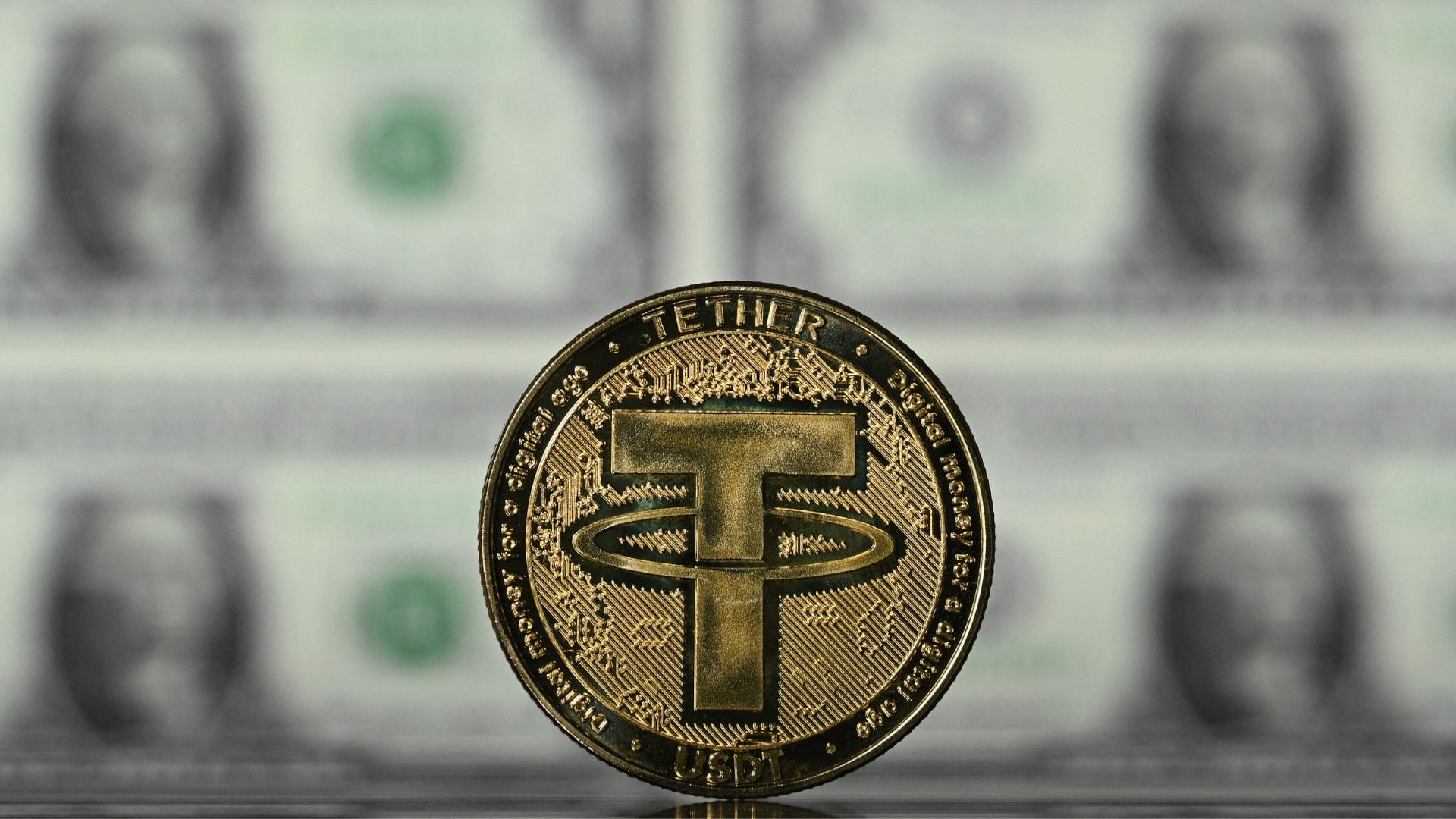
In the absence of such thinking, business is booming. Tether, the world’s largest stablecoin company, has just offered to buy Juventus — the Italian chief executive’s favourite football club — and to invest a billion euros in it. This is the kind of profligacy associated with Russian oligarchs back when they were really coining it, but not what you’d expect from a financial institution. Particularly when the prudent thing might be to lie low, given the accusations of complicity in financial crime.
“It is reprehensible that Tether would let so much money flow through a service flagged for money laundering,” a former prosecutor is quoted as saying in a very troubling recent piece from the International Consortium of Independent Journalists. “They should have frozen this.”
The vast majority of stablecoins are denominated in dollars, which means their issuers need dollar reserves, thus ensuring healthy demand for U.S. government bonds, which helps to explain some of the enthusiasm for them in Washington, DC. But I’ve just been in Moldova for a week, talking to people about how very close the country came to succumbing to Russian interference in recent elections. The authorities worked tirelessly to intercept cash couriers and block bank transfers from Moscow, in their efforts to secure the integrity of their democratic process.
But there was nothing the Moldovan authorities could do about crypto. Russia has now overtaken the UK as the biggest crypto market in Europe, with a 32% growth over the past year, most of it driven by transactions larger than $10 million. Ordinary Russians don’t have that kind of money to move, so this has nothing at all to do with the mooted “democratisation of finance”, and everything to do with the Russian state seeking financial channels outside the oversight of the West.
Related Articles


The Kremlin may have lost the battle to influence Moldova’s elections, but it learnt an important lesson from the battle. Don’t bother paying thousands of couriers to each smuggle $9,900 in cash on flights via Yerevan or Almaty, just use crypto and move as much as you like. Now, they are hiring petty criminals to engage in sabotage, arson or espionage activities and paying them in crypto in a way that threatens to overwhelm Europe’s financial and physical defences. I can see how, from the safe distance of the United States, decision-makers prefer to focus on the profits they’re personally making from crypto, rather than the potential harm their adversaries could cause their country by using it.
But, if I could wish for one thing for Christmas, it would be for them to wake up. This isn’t going to stop at Moldova.
A version of this story was published in this week’s Oligarchy newsletter. Sign up here.