






Terrorism’s crypto financiers & Trump’s clemency habit

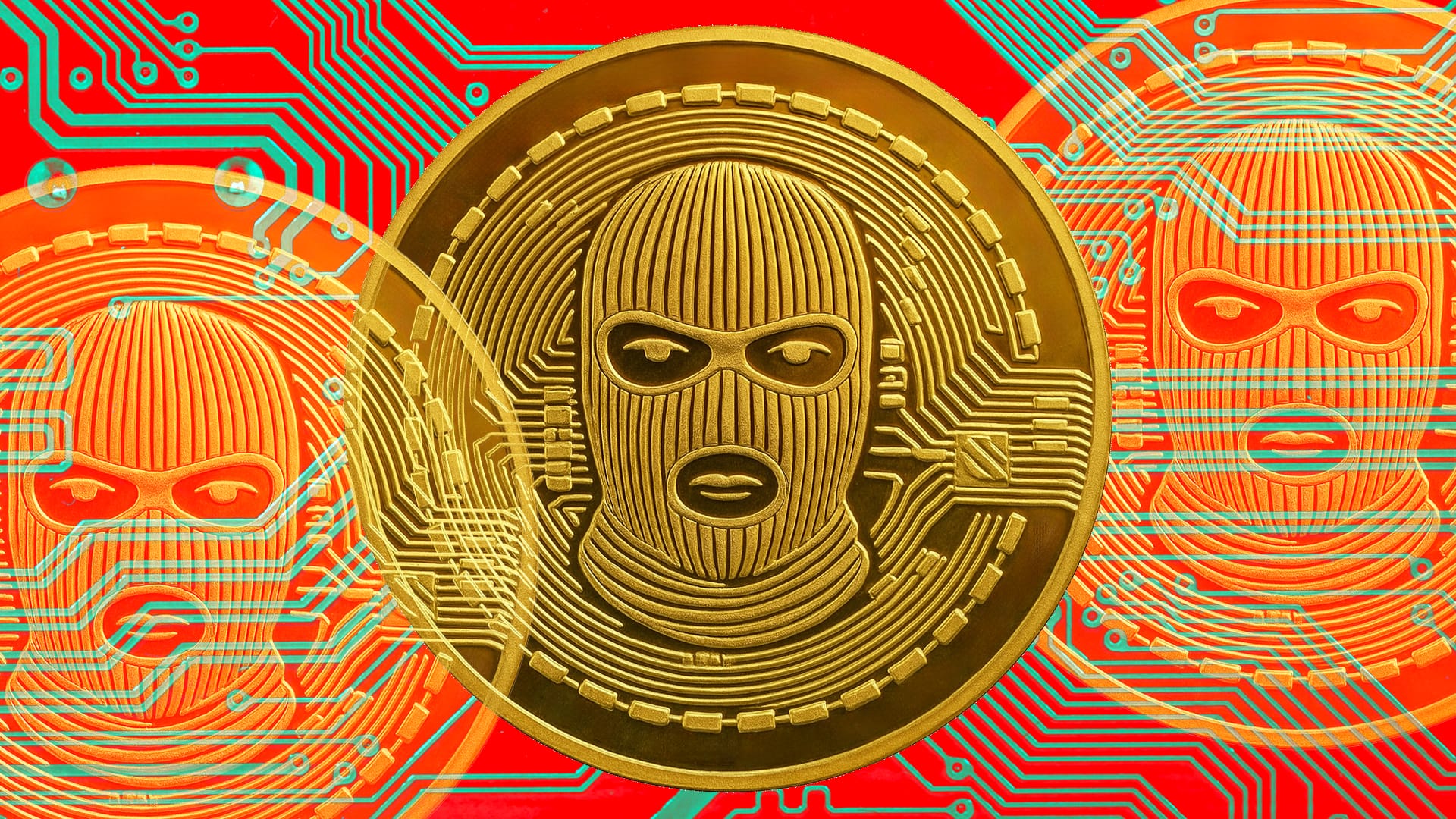
It is bad for a financial institution to be convicted of helping to launder money, but it is catastrophic to be convicted of helping to finance terrorism. This is why the civil case recently launched in North Dakota against Binance, in which the crypto giant is accused of helping “Hamas, Hezbollah, Palestinian Islamic Jihad, and Iran’s IRGC-QF, to move and conceal over one billion dollars through its global platform”, is so significant.
Subscribe to our Coda Currents newsletter
Weekly insights from our global newsroom. Our flagship newsletter connects the dots between viral disinformation, systemic inequity, and the abuse of technology and power. We help you see how local crises are shaped by global forces.
The suit has been brought on behalf of 306 American victims of the October 7, 2023 Hamas attacks in Israel, and alleges that Binance accounts transferred $300 million to Hamas and other terrorist organisations, and received $700 million from them, figures that dwarf the sums detailed in the criminal prosecution of Binance that led to its $4.3 billion fine two years ago.
“This was not a compliance lapse, it was a business model,” said Jonathan Missner, managing partner of Stein Mitchell Beato & Missner LLP, the law firm behind the case. “Our investigation shows that Binance built systems designed to evade oversight, using its off-chain network and weak controls to move enormous sums for sanctioned groups. This platform became a conduit for financing murder, kidnappings, and rocket attacks. The families deserve justice—and the public deserves transparency.”
In a previous case brought under the same legislation, Jordan’s Arab Bank was sued and – despite procedural wrangling that went on for years — ended up settling with the victims for an undisclosed but significant sum of money.
Anything that forces Binance to start taking its responsibilities to victims of crime as seriously as it takes its willingness to accept money from perpetrators of crime is a good thing. And if you want to see how widespread those crimes can be, read this excellent investigation from the ICIJ which finds crypto platforms to be “awash with dirty money.” But there are always particular challenges around terrorism funding, which can have perverse outcomes.
In contrast to drug cartels, for instance, terrorists move relatively small amounts of money, which means financial institutions have to monitor a far larger array of transactions if they want to protect themselves from a lawsuit. Because terrorists use banks in the same way as anyone else does, what this tends to mean is that very large numbers of ordinary people lose their accounts just so compliance departments can be sure to sweep out the terrorists.
The result is the under-discussed phenomenon of debanking, which overwhelmingly affects Muslims and charities targeted towards Muslim beneficiaries.
“Humanitarian charities are facing banking barriers because banks are adverse to giving large transactions to countries they deem a risk, like Syria,” said Abdulsami Arjumand, a senior executive at the U.K.’s Muslim Charities’ Forum. “Banks determined to avoid any heavy fines from the US treasury or the FCA act with very strict risk appetite… There is a balance to strike between securing aid and fighting financial crime. At the moment, we are far from that equilibrium.”
People excluded from traditional finance by this kind of inherent unfairness have turned to cryptocurrencies, and it would be a shame if the Binance case were to lead to the same injustices being imported into the crypto world as well.
A sidenote to the Binance case is the fact that the company’s founder – Changpeng “CZ” Zhao – was recently pardoned by Donald Trump who claimed that Zhao was the victim of an anti-crypto witch hunt by Joe Biden.
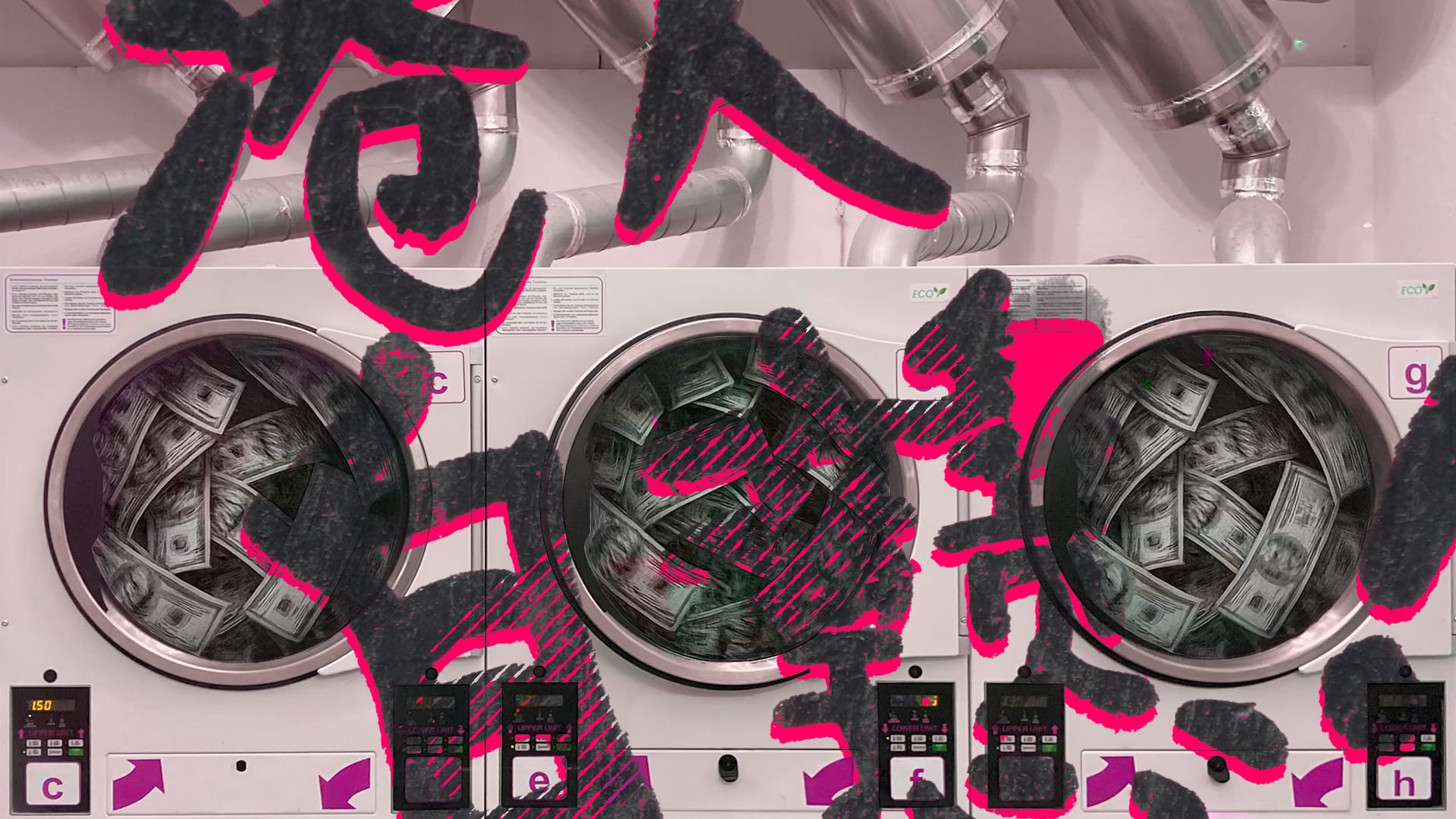
In reality, he was jailed (and his company fined $4.3 billion) because of Binance’s complete failure to maintain any kind of anti-money laundering programme. At the time, one Binance compliance staffer wrote: “We need a banner ‘is washing drug money too hard these days – come to binance we got cake for you’.” And though Zhao stepped down and Binance pledged to change its ways, it appears to have done little to stem the tide of dirty money flowing through its systems.
Zhao’s hard-to-explain pardon once again draws attention to the peculiar folkway of the U.S. pardon process. The presidential ability to pardon people derives from the States’ origins as British colonies. It is something that kings could do back in the 1770s. Technically, King Charles III can still pardon anyone he likes, though he almost never does, which is something else he doesn’t have in common with Donald Trump.
Of course there have been controversial pardons in the past, but often they come at the very end of a presidential term. Trump seems to be unusual in his willingness to hand them out this early. It must have been particularly demoralising for the prosecutors who worked hard to secure a conviction against David Gentile, only to see him released after serving just two weeks of a seven-year sentence for defrauding more than 10,000 people.
Binance denies any wrongdoing related to the Hamas case. Still, it does raise the interesting prospect of Trump having to defend his decision to pardon a man subsequently ruled to have helped Hamas move its money. But then, CZ was already convicted of helping Iranians, Syrians, North Koreans and the Russian occupiers of Ukraine move money in defiance of sanctions, and Trump hasn’t faced any backlash for pardoning him for all of that, so perhaps not.
Related Articles

A plague on both their houses
In unrelated but entertaining crypto news, there’s a spat brewing between the hip young dudes at Tether, and the boring old squares at Standard and Poor’s, after the rating agency cut its rating for the stablecoin issuer to its lowest possible level, which I thought was fair comment but which Tether CEO Paolo Ardoino got rather irate about. “Tether is living proof that the traditional financial system is so broken that it’s becoming feared by the emperors with no clothes,” he wrote in one of a number of posts on X in which he demonstrated how little he cared about S&P’s opinion by talking a lot about it. He later posted a clip from the movie ‘The Big Short’, in which a rating agency employee defends the absurdly high ratings given to mortgage bonds before the 2007-8 financial crisis. That too, it must be said, is fair comment. It would be nice – rather like a rugby match between South Africa and England – if we could find a way for both Tether and S&P to lose.
A version of this story was published in this week’s Oligarchy newsletter. Sign up here.