







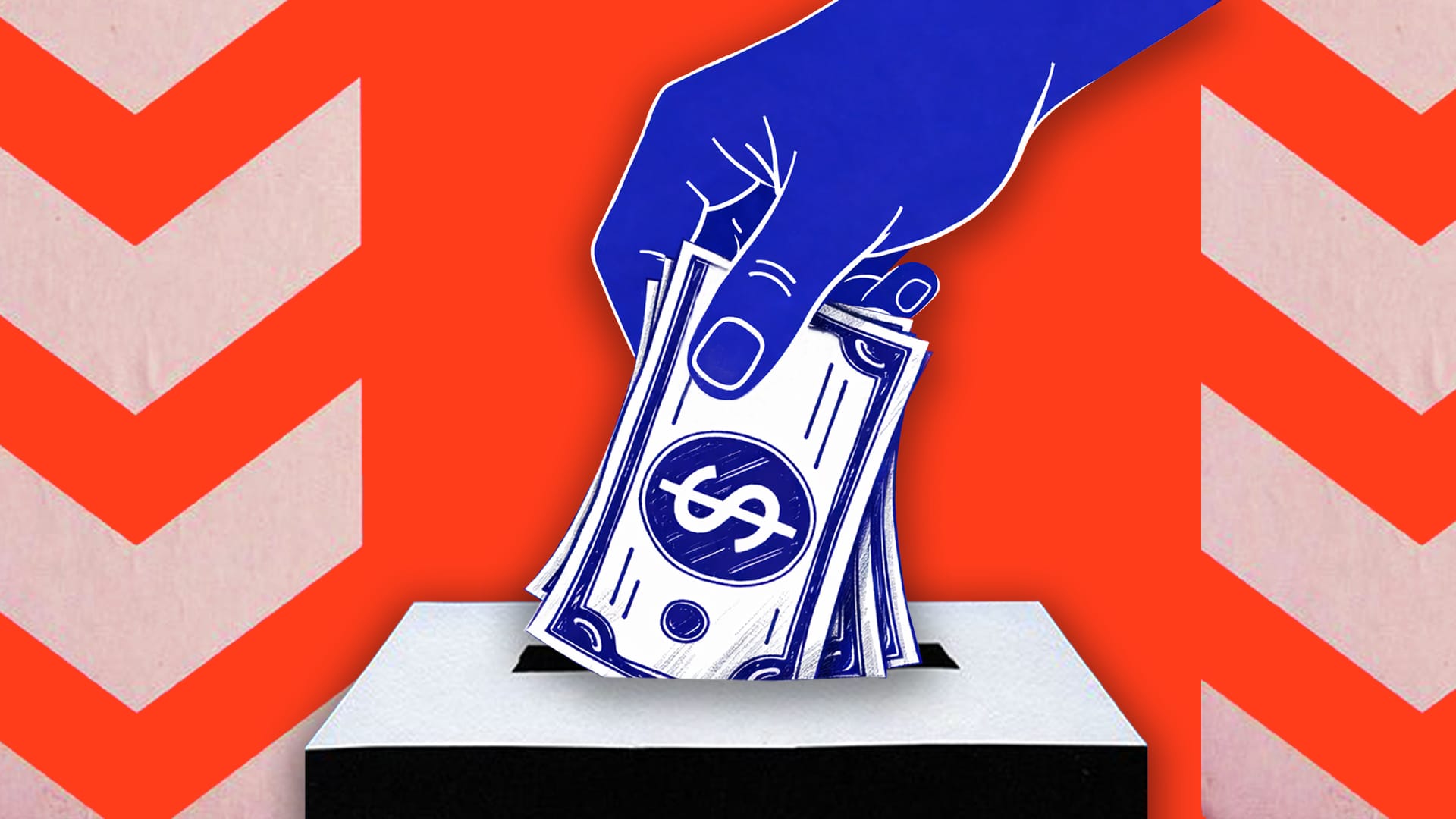
Why we must make elections cheap again

I like writing about the huge consequences of tiny details: a compromise made at a G7 meeting in 1989 by people who didn’t know what they were doing that now defines all anti-money laundering work; an opportunist deal among London bankers in the mid-1950s which created the globalized financial system; things like that (read my books if you want more.)
Few tiny details are more consequential than the rules around democratic processes, and particularly those that define who pays for them: just look at the effects of the U.S. Supreme Court’s decision in a dull-sounding case in 2010. A lot of other democracies are looking at the U.S. right now and thinking they’d like to avoid replicating this experiment with endless money, which is one reason why the UK has a new ‘Representation of the People Bill’.

Subscribe to our Coda Currents newsletter
Insights from the Coda newsroom on the global forces that shape local crises.
As it stands, it looks like a big missed opportunity.
Much of the requirement for the tighter rules proposed in the bill is the need to tackle foreign interference, a concern stoked by suggestions that the Kremlin helped secure victory for both Brexit and Donald Trump in 2016. Although I can see why we don’t want Vladimir Putin near our political systems, I’ve always thought these concerns missed the point: home-grown oligarchs dislike democracy as much as Russian ones do and, since they are more numerous, richer and far better-connected, we should worry about them more.
So, it is a great shame that the UK’s new bill hasn’t imposed a cap on political donations to prevent the kind of funding arms race that has infected the United States, and which is gearing up in the UK too, or stripped away a lot of the unnecessary complexity in the existing regulations that create the kind of loopholes exploited in the Brexit referendum. Most importantly, it has failed to address the growing threat of cryptocurrencies and impose the same kind of ban on crypto donations that Ireland has.
A democracy is sovereign, and a crucial defence of that sovereignty is ensuring only actual voters fund its operations. British law enforcement agencies acknowledge that they already don’t have the resources they need to keep up with what bad actors are doing with crypto, so why would politicians take the risk of allowing crooks to buy influence by making it easier for them to hide what they’re doing?
“If you put an element of crypto in what is already a complicated and sometimes lengthy trail to hide the true source of the funds, you are just adding another layer of complexity. Anything we can do to take away that friction is good,” said Rachael Herbert, director of the National Economic Crime Centre, to a parliamentary committee.
It is not too late to close this gap in the bill, and to prevent it from becoming one of those little details with huge consequences. Blocking cryptocurrencies will not solve the problem caused by oligarchs’ assault on democracy, but at least it would help not make it worse, and it is always easier to mend things before they break.
On that note, credit to Daniel Lobo-Lewis for trying to use some of the mechanisms of the unregulated U.S. political funding system for a good cause (“Give us money to get money out of politics. It makes sense if you don’t think about it too hard”) by creating the political integrity project. He’s built a tracker so you can see how much cash different candidates have raised, and which of them have pledged to try to get money out of politics, and it’s a lot of fun to play around with.
Here’s what it looks like when there is unfettered money in politics. Lobbyists for crypto firms are planning to spend $263 million on the midterm elections this year. That is not only more than the entire oil and gas industry spent in 2024, but more than double the total spent by all parties in the UK’s last general election. This is not healthy.
I’ve largely avoided writing about the Jeffrey Epstein revelations, because I don’t feel like I have anything to add to what everyone else has already said, but they do spectacularly demonstrate the size of the threat posed to girls in particular and society in general when the political, cultural, financial and economic elites of a country become entangled, give each other money, do each other favours, and generally take over the world.
Preventing this kind of collusion is why it’s important to keep big money out of politics, so at least there is a source of power in society that’s independent of the oligarchs.
Crooks thriving in chaos
While on the subject of human trafficking, Chainalysis has produced this alarming report on how crypto helped traffickers move their profits last year, including from child sexual abuse material (CSAM), with a staggering 85% increase in them dong so over 2024.
“CSAM networks have evolved to subscription-based models and show increasing overlap with sadistic online extremism (SOE) communities, while strategic use of U.S.-based infrastructure suggests sophisticated operational planning,” the report notes.
Related Articles


The report gives more evidence for how Chinese money laundering networks based in Southeast Asia are using cryptocurrencies to expand their influence globally (as they also are in fraud), with business deals coordinated via the encrypted messaging app Telegram, and laundered via sophisticated techniques beyond the reach of law enforcement even at the best of times.
And this is not the best of times, what with the United States having abdicated its traditional role as the only country serious about investigating, prosecuting and convicting financial criminals.
“Enforcement is now solely in Washington’s hands, allowing politically driven cases to proceed or be stifled,” noted John Lothian in this scathing commentary contextualised by the FT. “Given the pardons issued by President Trump, there has never been a better time to be a crook. This chaotic formula for enforcement is a disaster or a cluster of disasters waiting to happen, given the explosive growth in retail futures trading, prediction markets, and legitimized crypto trading… ‘God help us’ is the last defence.”
A version of this story was published in this week’s Oligarchy newsletter. Sign up here.