





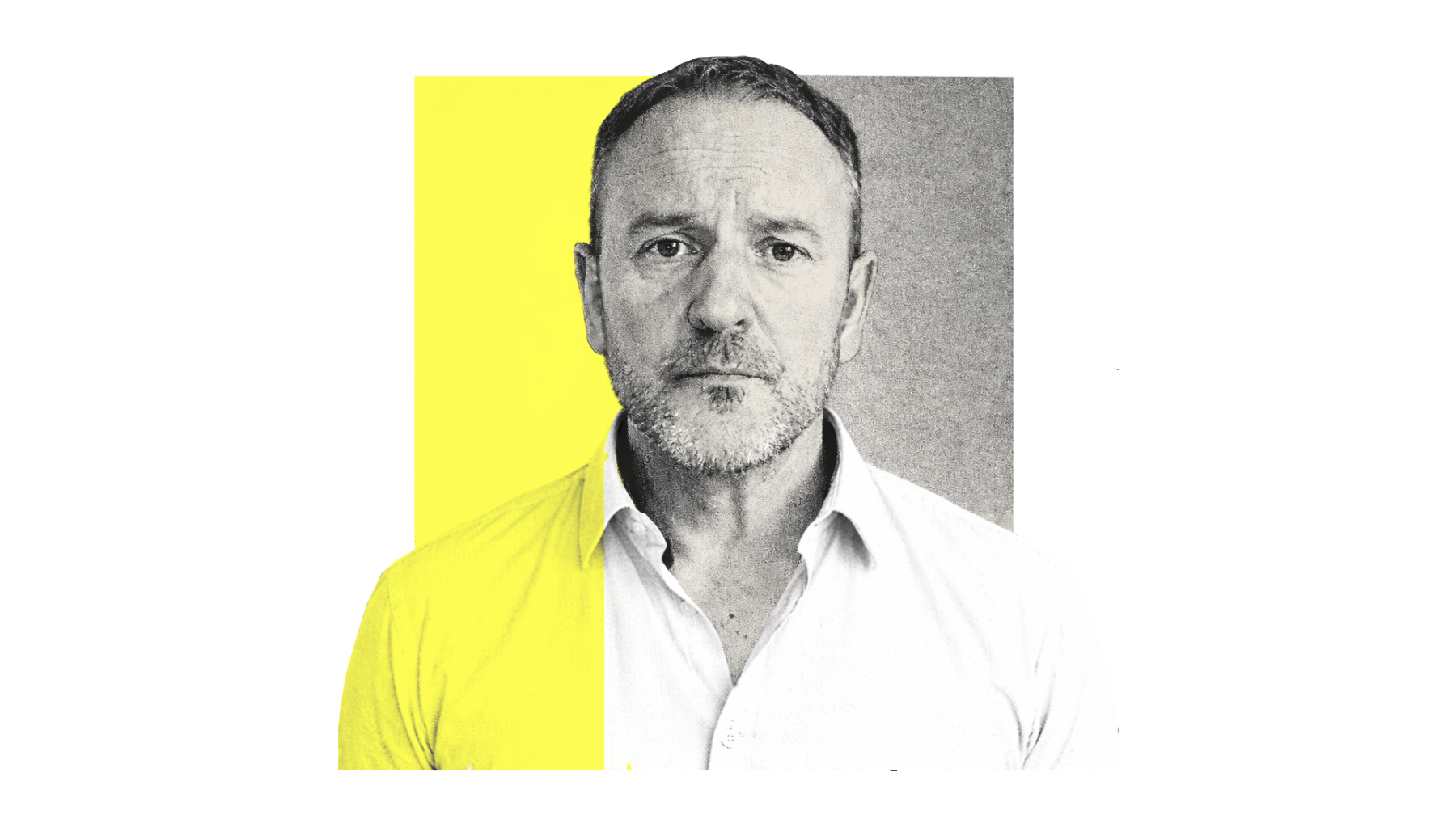
Scott Martin, International Lawyer at Global Rights Compliance
Scott Martin: There’s nothing wrong in general with propaganda, disinformation, information operations — they’re a common form of any military operation. But when something helps to contribute to the perpetration of a crime, when something is engineered as part of a military strategy, if something helps to conceal crimes or obstruct investigations, it shouldn’t be seen as background support of propaganda but actually an operational aspect of a kinetic military action. And legally relevant as a consequence.
Free speech is a protected right. Don’t you risk infringing on that right?
SM: This report was done by a group of human rights lawyers with a firm commitment to an expansive understanding of freedom of expression or freedom of speech. However, the right to speak, the right to freely express yourself, ends when speech becomes a tool of a crime. Propaganda is lawful. Information operations are lawful. Participation in a crime is not.
So what exactly is the crime? Which law would you use to bring a case?
SM: It’s called Article 25(3)(d) [of the Rome Statute] and it relates to the criminalization of contributions to a crime by a group acting with a common purpose.
Can you break down what exactly a prosecutor would need to show?
SM: – Show that there was an attack against a civilian object.
– Show that the perpetrators of the crime were part of a group that acted with a common purpose.
– Then demonstrate that the person disseminating the false narrative made a significant contribution to the commission of that crime.
And what counts as a ‘significant contribution’ to the crime?
SM: If the contribution led to impunity for the crime, because the narrative disseminated in advance was strong enough to obstruct accountability investigations, then you should be able to argue that that could be a significant contribution.
How do you prove a group is working with ‘common purpose?’ In the information ecosystem, rumours circulate all the time, they get picked up and passed on, details may change as the story mutates. It doesn’t have to mean there’s coordination between the people involved.
SM: I wouldn’t think you’d need to show that here’s this group sitting together saying ‘here’s how we’re going to attack and Vlado this is your responsibility, and Sergei this is your responsibility.’ And international criminal law is a lot like this because we don’t have access to many of the conversations that went into a plan. What you do is you draw inferences. And then from there you hopefully will be able to see: Is it accidental? Do we have a group acting together pursuant to a common purpose?
Is that why you need to show a pattern of behavior?
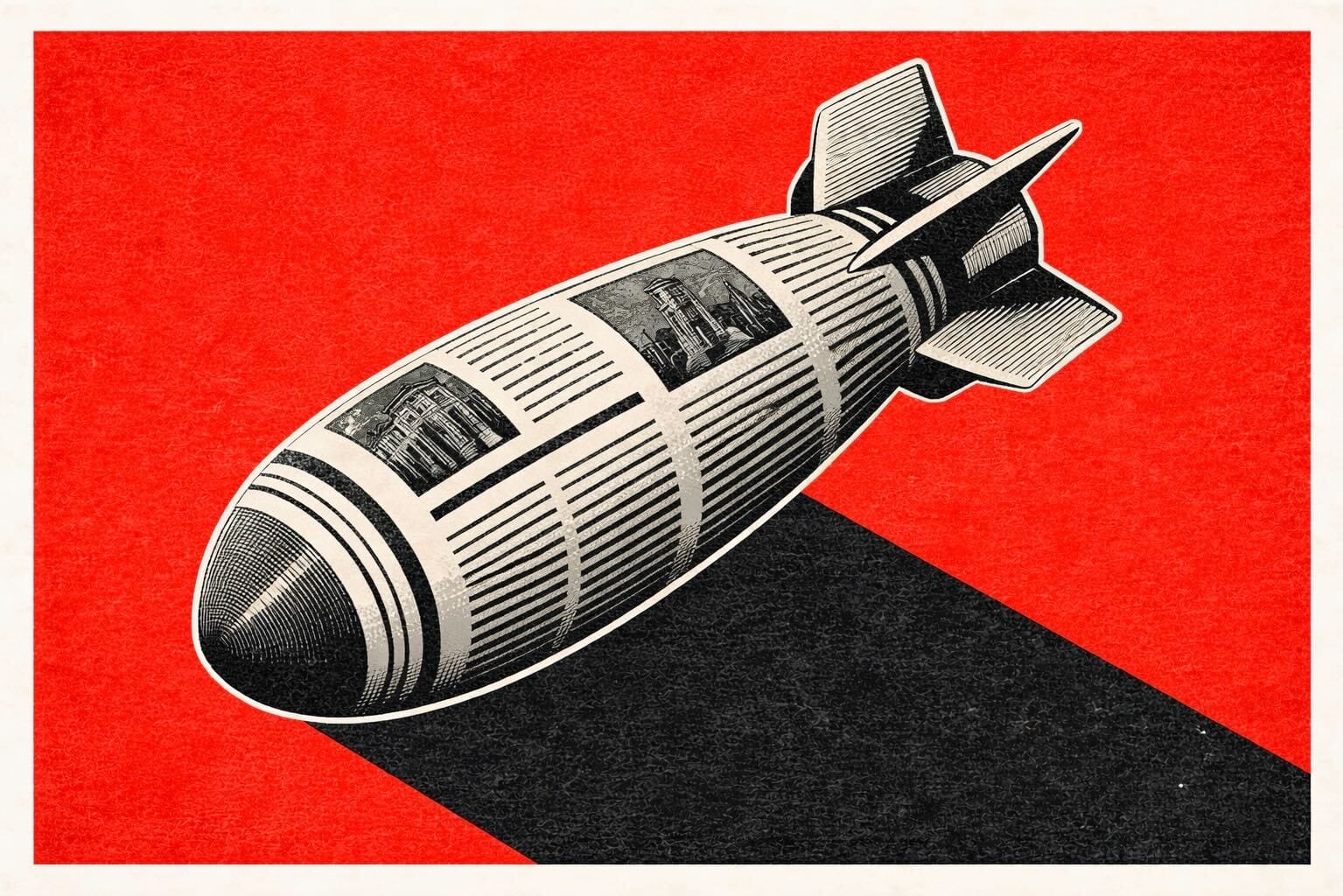
SM: This pattern is important principally for legal reasons. It helps to show that this attack wasn’t isolated. It wasn’t a mistake. It wasn’t opportunistic. It’s taking place repetitively in Ukraine. It [the pattern] shows integration between the information operation and the military operation. The speech wasn’t just incidental to the military action. It was functionally connected. And as a consequence, maybe providing a material contribution to the crime that takes place and the obfuscation afterwards.
Wouldn’t you need to show direct links between the security services and the people conducting the information operations?
SM: We need to show a full integration and plan of the information operation within the kinetic military action because that’s what connects it to the crime. And if we can show that a high-ranking political or diplomatic official in Russia was participating from the beginning, during and after the attack, it leads you to believe that this was being done. But we still must work to ensure an unassailable direct link between the disinformation and the crime that took place. The way it normally comes, in international crimes work, is through an insider who was present at a particular moment and she or he can testify that this information operation was integrated into the military operation as an information alibi.
What gives you confidence a prosecution of Russian propagandists could ever be brought using this law? It’s never been done before.
SM: Its legal coherence is jumping off the page. There was no stretching of definitions. There was no creating new ideas or practices. This was, ‘here’s what the law says and here’s how it fits and here is supporting jurisprudence.’
There have been plenty of conversations about whether any Russian interference campaigns that they launch online, or these types of disinformation operations can be elevated to a crime. And while a lot of it remains and ought to remain protected speech, when you’re looking at it through a human rights lens, in this case, I think we found a very clear example where it should be investigated as a contribution to a crime and perhaps even prosecuted as such.